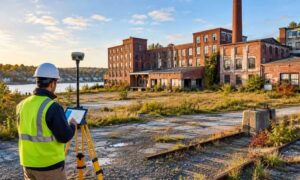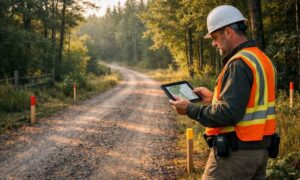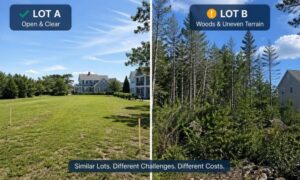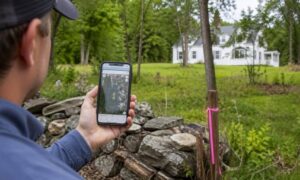
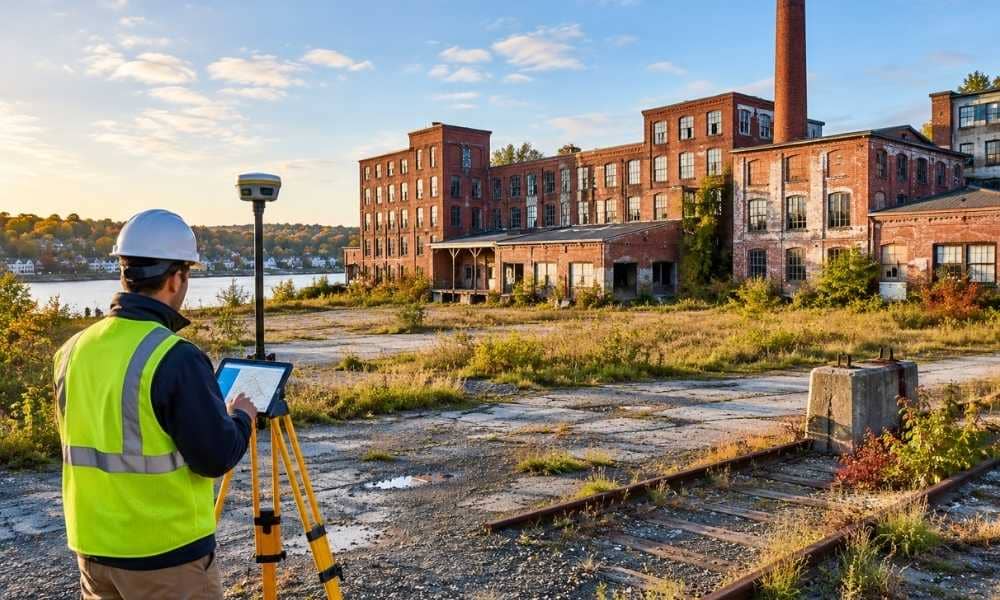
Maine has many old mills, factories, and industrial sites sitting empty. Developers are turning them into housing, shops, and business spaces. That sounds exciting. But these properties hide problems that a simple walkthrough will never show you. An ALTA survey is one of the best tools buyers have before committing to a redevelopment project. It shows you what you are really buying before you spend a dollar on design or construction.
Why Former Industrial Properties Need More Review Than Typical Commercial Sites
Buying an old factory or mill is very different from buying a regular commercial property. The history is longer. The records are messier. The physical conditions are more complex.
These sites often have:
- Old structures still underground or on the surface that do not show up on any current map
- Decades of ownership changes that left behind easements, access agreements, and boundary changes no one clearly documented
- Odd lot shapes that changed over the years as operations grew or shrank
All of this makes careful documentation more important. Projects that skip this step often hit surprises during planning or construction. Those surprises cost real money and real time.
What an ALTA Survey Can Find on an Old Industrial Site
Walking the property tells you what you can see that day. A survey tells you what the records and the ground both show.
On former industrial sites, a survey can find:
- Old foundations and building pads that limit where new structures can go
- Utility lines running through the site that affect how it can be redesigned
- Old rail lines and loading docks still present even if no longer in use
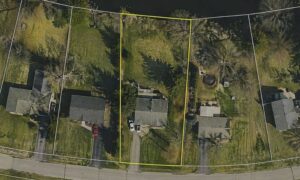
- Encroachments from neighbors, like fences or paving that cross your boundary
- Easements that restrict where you can build or require others to have access
- Signs of old infrastructure like drainage systems and equipment pads
Each of these can change your redevelopment plan. Finding them before closing gives you choices. Finding them after closing leaves you with fewer options and more costs.
Confirming Access and Shared Rights Before You Close
Access is one of the first things to check on an old industrial property. These sites often have messy access histories.
Old factories shared driveways. They had private road agreements. They gave access rights to neighbors. When the operations stopped, those agreements did not always get properly recorded in later deeds.
An ALTA survey helps confirm:
- Whether the property has legal access from a public road
- Shared driveways or road agreements that affect how the site can be used
- Utility easements that cross the property and limit where you can build
- Access rights held by nearby owners that were set up years ago and never removed
This matters a lot for adaptive reuse. A housing project or retail center needs different access than a factory did. Knowing what rights exist now helps you plan what agreements you may need later.
Why Getting the Boundary Right Matters on Old Industrial Land
Old industrial sites often have boundary records that do not match what is on the ground. This is a common problem in Maine where many sites changed hands and changed uses over many decades.
Old boundary descriptions used landmarks that no longer exist. Large tracts that were broken up over time may have boundary lines that shifted without going through proper legal steps. Fences, buildings, and paved areas may sit in the wrong place compared to what the records say.
An ALTA survey compares the legal boundary against real conditions on the ground. It can find:
- Gaps between where the legal line is and where things were actually built
- Encroachments that grew over time and were never formally resolved
- Errors from old subdivisions that were never fixed in the records
Getting the boundary right early means fewer problems when you submit plans for permits or when construction begins.
How an ALTA Survey Works With Your Other Reviews
An ALTA survey does not replace your other due diligence steps. It works with them.
Most former industrial properties need a Phase I Environmental Site Assessment before purchase. That review looks at the site’s history and flags environmental concerns. The ALTA survey supports that work by giving everyone on your team accurate maps and documented site conditions.
Here is how each group uses the survey data:
- Architects use it to see what is already on site and plan where new buildings can go
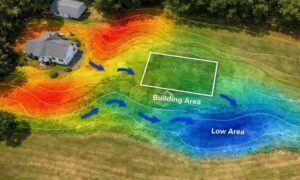
- Civil engineers use it to design utilities, grading, and drainage around existing easements
- Environmental consultants use it to connect areas of concern with proposed work zones
- Lenders and title companies use it to check whether the property can support the project
When every team member works from the same accurate data, the project runs better. Assumptions that conflict with each other create delays. Shared accurate data reduces that risk.