Buying or improving a property in York, Maine can feel simple at first. Then something feels off. The lot looks different on paper. The neighbor’s fence sits closer than expected. The driveway seems tight. That’s usually when people start thinking about getting a second opinion. It’s easy to jump ahead and talk to a local surveyor in York just to figure out what’s going on. That makes sense, but it can slow things down if you don’t have the right details yet.
There’s a better place to start. York gives you access to a few simple tools that help you understand your property before you pick up the phone. They won’t replace a survey, but they will make the next step much easier.
Start With a Clear View of Your Property
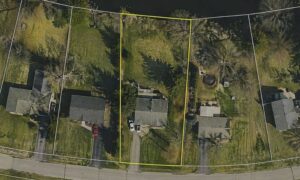
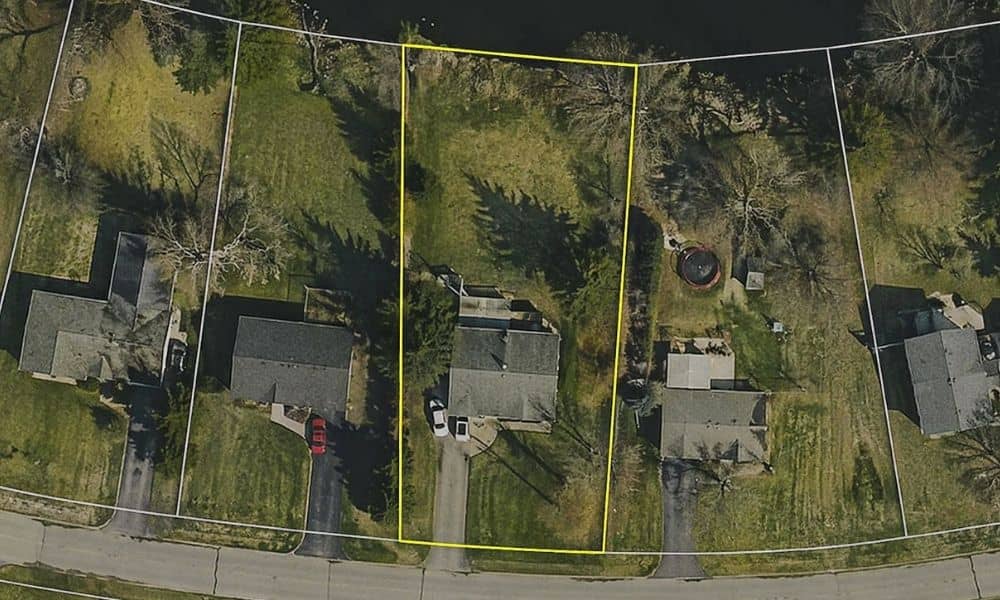
A good place to start is the York GIS Mapping System. It gives you a simple view of your property and what’s around it.
Type in your address and take a look. You’ll see the shape of your lot, nearby homes, and how your land lines up with the road. It’s not exact, but it helps you get a feel for the space.
As you look around, you may start to notice small things that don’t quite match what you expected. The lot might seem narrower. The driveway could sit closer to the edge than you thought. At that point, it’s normal to have a few questions for a local surveyor, even if you’re not ready to reach out just yet.
Just keep in mind that this map is only a rough guide. It doesn’t show legal boundaries, and the lines don’t always match what’s on the ground. Still, it’s a helpful way to get familiar with your property before you move forward.
Use Your Deed to Understand the Real Boundaries
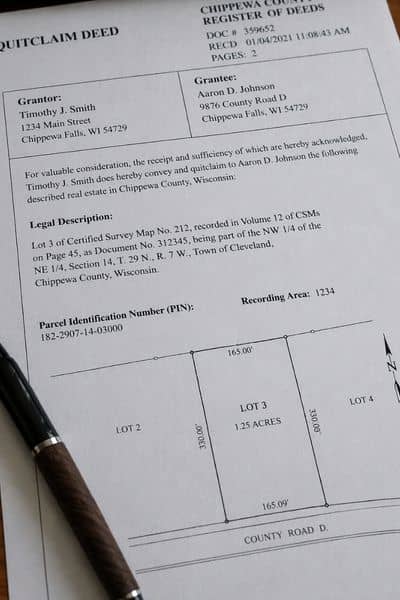
After you look at the map, your deed gives you the official story. You can find it through the York County Registry of Deeds.
Your deed explains how your property is described in legal terms. It often includes directions, distances, and references to older landmarks or surveys.
At first glance, it can feel confusing. The wording may sound old, and the directions can seem hard to follow. That’s normal. You don’t need to decode every line. Focus on the key points.
Look for the size of your lot and any notes about shared access or past surveys. These clues help you understand how your property was laid out over time.
If the description feels unclear, that tells you something important. It means a local surveyor will likely need to review it closely in the field.
Check FEMA Maps for Any Limits on the Property
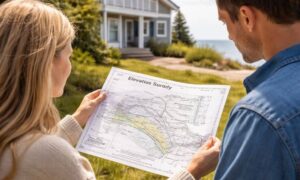
Next, take a moment to check flood maps from FEMA.
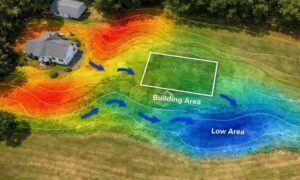
York sits near the coast, so water risk matters more here than in many other places. Even if your property looks dry today, certain areas fall into zones that can affect building or insurance.
When you search your address, you’ll see if your property falls inside a flood zone. You don’t need to study every detail. You only need to know if something stands out.
If your lot shows up in a higher-risk area, keep that in mind. It may affect what you plan to build or how you move forward. You’re not solving the problem yet. You’re just spotting it early.
Bring These Pieces Together Before You Call
Once you’ve looked at the map, read your deed, and checked the flood zone, you’ll start to see a clearer picture.
The shape of your lot, the legal description, and any possible limits all come together. You may notice that something doesn’t line up. The map might not match the deed. The layout might raise questions.
That’s exactly what you want to catch at this stage.
Now, when you reach out to a local surveyor, you’re not guessing. You can explain what you saw and what concerns you.
This saves time. It also helps the surveyor point you in the right direction right away.
Know When It’s Time to Call a Local Surveyor
After your research, the next step becomes clear. If anything feels uncertain, or if you plan to build, sell, or make changes, it’s time to bring in a local surveyor.
What matters is how you explain your situation. Instead of saying, “I’m not sure what I need,” you can describe what you found.
You might say the lot shape looks different than expected. Or the deed seems hard to follow. Or the flood map shows something you didn’t expect.
That kind of detail helps the surveyor understand your needs right away.
Why Working With a Local Surveyor Makes a Difference
York has its own set of conditions. Coastal weather, older records, and unique lot layouts all play a role.
A local surveyor understands how these factors come together. They’ve seen similar properties. They know how to read older descriptions and compare them with what’s on the ground today.
That local knowledge speeds things up. It also helps avoid mistakes that can cost time and money later.
Take the First Step With Confidence
Using York’s GIS maps, deed records, and FEMA tools gives you a strong starting point. You don’t need perfect answers before calling a local surveyor. You just need a clear sense of what you’re looking at.
That small effort changes the whole process. You go from guessing to understanding. You move forward with more confidence.
And when you finally call a local surveyor, you’re ready to get real answers.