
Digital maps are everywhere. With a few taps, you can see property lines, roads, and buildings from your phone. Because of that, many buyers assume those maps are accurate enough to trust. However, when real money, ownership, and legal responsibility are involved, “close enough” can become a serious problem. That’s where the ALTA Land Title Survey still stands apart. In a world filled with mapping errors and mixed data, it remains the most trusted way to confirm what you are actually buying.
When Maps Don’t Match, Problems Begin
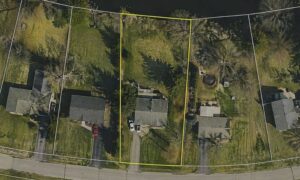
If you have ever compared two online maps of the same property, you may have noticed they do not always line up. One map shows a wider lot. Another shifts a boundary a few feet. Sometimes, a driveway appears on one map but disappears on another.
These differences happen for a simple reason. Most digital maps are built for reference, not ownership. They often rely on old records, estimates, or simplified data layers. As a result, they can look clean and convincing while still being wrong.
Unfortunately, real estate deals do not allow room for guesswork. When boundaries, access, or improvements are unclear, buyers face risk. Lenders hesitate. Title companies raise concerns. Deals slow down or fall apart.
Why Mapping Errors Are More Common Than People Think
Many people believe mapping errors are rare. In reality, they happen often. Public parcel maps, GIS viewers, and online platforms all pull from different sources. Some update yearly. Others update far less.
On top of that, many maps round measurements or smooth lines to improve display. While this helps with viewing, it removes detail. Over time, small inaccuracies add up.
Older properties add another layer of complexity. Deeds written decades ago may use vague descriptions. Over the years, roads shift, fences move, and improvements change. A digital map may not reflect any of this history.
Because of these limits, relying only on maps can create a false sense of confidence.
The Real Risk of “Close Enough” Information
At first, small mapping differences may seem harmless. However, during a transaction, they can create big issues.
For example, a buyer may discover that a building crosses a boundary line. Or an access road shown on a map may not be legally recorded. In other cases, a utility easement may restrict future construction, even though it does not appear online.
When these problems surface late, stress increases fast. Buyers must renegotiate. Lenders may pause funding. Title insurers may add exceptions or refuse coverage.
Worse yet, if errors go unnoticed until after closing, owners may face legal disputes or costly fixes. At that point, correcting the issue becomes far more expensive.
What Makes an ALTA Land Title Survey Different
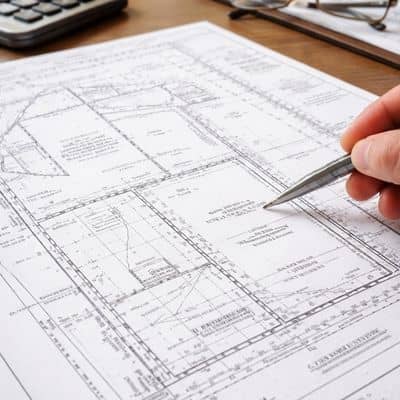
An ALTA Land Title Survey does not rely on assumptions. Instead, it follows strict national standards designed for real estate transactions. Its goal is simple: remove uncertainty.
Unlike general maps, this survey combines multiple layers of verification. A licensed surveyor researches property records, examines title documents, and confirms conditions in the field. Each step supports the others.
Because of this process, the final survey reflects both legal intent and physical reality. Boundaries align with deeds. Easements match title commitments. Improvements appear where they actually exist.
As a result, all parties work from the same, trusted document.
Why Lenders and Title Companies Depend on It
Lenders and title companies deal with risk every day. Before money changes hands, they need proof that a property matches its legal description.
An ALTA Land Title Survey provides that proof. It shows whether boundaries match records. It confirms access. It reveals conflicts that could affect ownership or value.
For lenders, this clarity protects their investment. For title insurers, it reduces future claims. That is why they continue to require this survey, even as mapping tools improve.
In short, trust matters more than speed or convenience.
What This Survey Is Designed to Reveal
Rather than guessing, an ALTA Land Title Survey uncovers issues that maps often miss.
These may include recorded easements that limit use, encroachments from nearby structures, or boundary gaps created by overlapping deeds. Sometimes, it reveals that older improvements do not match legal lines.
Importantly, the survey does not just show these conditions. It documents them clearly so buyers, lenders, and attorneys can address them early.
That clarity prevents surprises later.
Why Human Judgment Still Matters
Technology supports surveying, but it does not replace professional judgment. Data alone cannot interpret legal descriptions or resolve conflicts between records.
Licensed surveyors apply boundary law principles and professional responsibility to every survey they certify. When records disagree, they analyze intent, history, and evidence.
Because of this human role, an ALTA Land Title Survey offers accountability. Someone stands behind the findings. That matters when decisions carry long-term consequences.
When an ALTA Land Title Survey Makes Sense
This type of survey plays a key role in many transactions. Commercial purchases, refinancing, and redevelopment projects often require it. Properties with long histories or shared access benefit from it as well.
Any deal involving lenders or title insurance usually calls for this level of certainty. In those cases, the survey does more than meet a requirement. It protects everyone involved.
Accuracy Is Still the Standard That Matters
Maps will continue to evolve. New platforms will appear. Data will move faster. However, when ownership and liability are involved, accuracy must remain the priority.
The ALTA Land Title Survey remains the gold standard because it delivers verified information, not estimates. It resolves conflicts instead of creating them. Most of all, it builds trust where it matters most.
If you want confidence before closing, relying on a proven standard still makes sense.