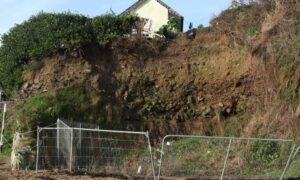
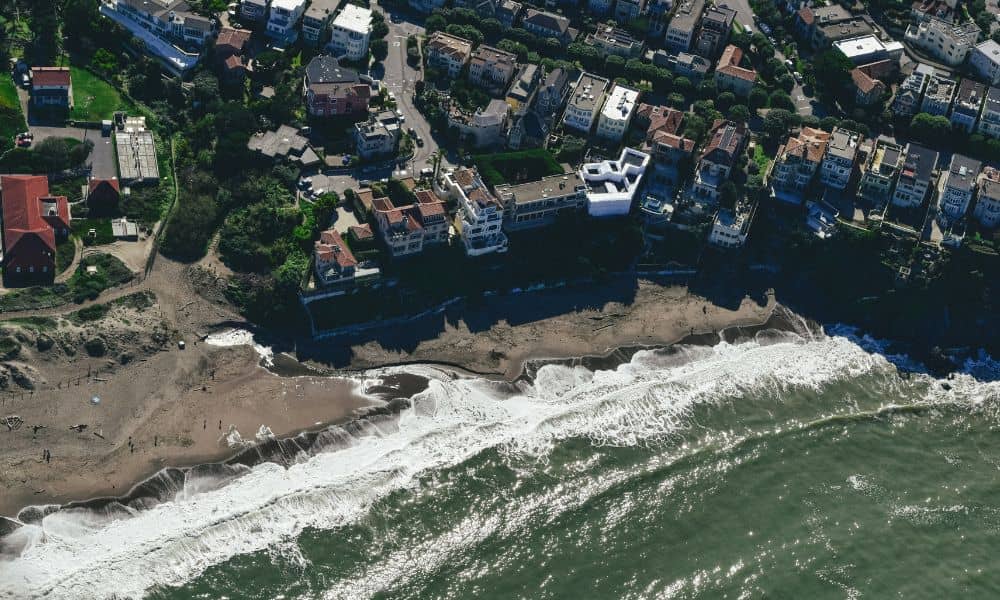
Living near the coast gives you amazing views, fresh ocean air, and a peaceful setting. However, it also comes with special building rules that many homeowners don’t expect. These rules can affect even small projects. Because of this, a boundary line survey often becomes a key step before you build, repair, or upgrade anything near the water.
If your property sits close to the ocean, a stream, or a wetland, it likely falls inside York’s shoreland zone. In these areas, building rules are stricter. As a result, knowing exactly where your property begins and ends can help you avoid delays, extra costs, and stress.
Why York’s Shoreland Zone Has Stricter Rules
York’s shoreland zone exists to protect water quality, wildlife, and the natural beauty of the coast. These rules help keep the environment healthy. At the same time, they place limits on where and how homeowners can build.
In these zones, setbacks control how close buildings can sit near water or property lines. Natural buffers protect plants and soil. Septic systems also must follow strict spacing rules. Because of this, property boundaries directly affect what you can legally build.
Even a small mistake can cause big problems. If a boundary line is off by just a few feet, your project may break zoning rules. When that happens, the town may delay or reject your permit. That is why town officials often ask for a boundary line survey before approving work in the shoreland zone.
What Is a Boundary Line Survey?
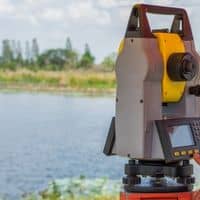
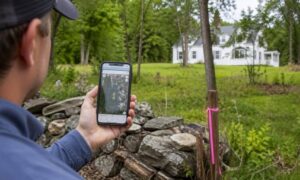
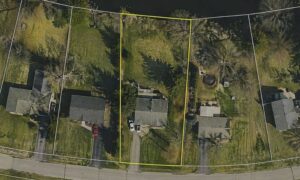
A boundary line survey shows the exact legal edges of your property. A licensed land surveyor studies deeds, maps, and town records. Then they measure the land and mark the true property corners and lines.
Unlike online maps or rough measurements, a boundary line survey gives legal proof of where your land begins and ends. This level of accuracy matters even more in shoreland zones, where zoning rules depend on precise distances.
Projects That Often Need a Boundary Line Survey
Not every project needs a survey. However, many common upgrades near the shoreline do. If your home sits in York’s shoreland zone, you may need a boundary line survey before starting certain projects.
Decks, stairs, and balconies often face the water. While they improve comfort and views, they must meet setback rules. A survey helps confirm that your design stays within legal limits.
Home additions also trigger zoning review. If you plan to expand your home, exact boundary data helps avoid permit issues and costly redesigns.
Retaining walls and seawalls built near the shoreline must remain inside your property. A survey protects you from building on your neighbor’s land or in restricted areas.
Septic system installation or replacement requires strict spacing from property lines and water features. A boundary line survey helps ensure proper placement and smooth permit approval.
Driveway construction or relocation may affect drainage and setbacks. Accurate boundary data helps prevent problems during inspection and review.
Fences near property edges often need precise checks, especially in shoreland zones where setbacks are tight.
Shoreline protection projects, including work near dunes, slopes, and banks, usually require exact boundary information before permits are issued.
In all these cases, a boundary line survey gives town staff the clear information they need to review applications quickly and accurately.
Why Permits Often Depend on Boundary Accuracy
Town planners must make sure all projects follow local rules. They rely on clear data to check setbacks and limits. Deeds and online maps often do not provide enough detail for this purpose.
Online property maps can show rough outlines, but they are not legal records. Because of this, permit offices often request a boundary line survey before approving projects in shoreland zones.
Without proper survey data, permit reviews can slow down. In many cases, officials ask for new plans or deny permits until accurate boundaries are provided. However, when homeowners submit surveys early, the process moves faster and smoother.
How Shoreland Setbacks Limit Buildable Space
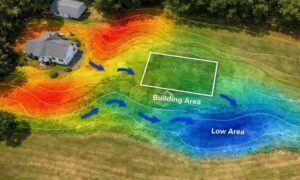
Setback rules reduce how much of your land you can build on. These rules protect water quality and natural areas. However, they also shrink the usable portion of your lot.
Because of this, boundary accuracy becomes very important. If property lines are slightly wrong, your buildable area may shrink even more. That often forces design changes or smaller building plans.
A boundary line survey gives designers the correct measurements from the start. With this information, plans stay within zoning rules and move forward without delays.
How Surveys Help Designers and Builders
Survey data guides architects, engineers, and contractors. It helps them place structures, septic systems, and driveways correctly.
When builders use accurate survey markings, construction becomes easier and safer. Mistakes decrease, timelines stay on track, and material waste drops. In the end, homeowners enjoy smoother projects and fewer surprises.
Common Mistakes Homeowners Make in Shoreland Zones
Many homeowners make simple mistakes when working near the coast. Some rely on old plans. Others assume fences mark true boundaries. Many trust online maps for exact measurements.
These shortcuts often lead to problems. Without a current boundary line survey, projects may require changes after permit review. In some cases, construction even begins before errors appear, leading to expensive fixes later.
Ordering a survey early helps avoid these issues and protects your investment.
Why Skipping a Survey Leads to Permit Delays
Permit delays cost time and money. Each change means new plans, new reviews, and longer wait times. Contractors may need to reschedule work, which stretches projects even further.
In York’s shoreland zone, boundary surveys often prevent these delays. Once accurate boundary data enters the process, approvals usually move faster. Therefore, a survey becomes a smart step that saves weeks of frustration.
What Affects Survey Cost in York’s Shoreland Zone?
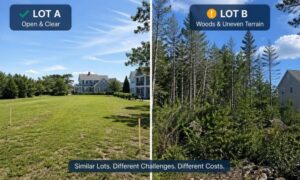
Several factors influence survey costs. Coastal properties often involve thick plants, uneven ground, and limited access. Older deeds may also require extra research.
While these conditions may raise the price slightly, they help ensure correct results. Compared to permit delays and redesign costs, a boundary line survey remains a smart and affordable investment.
Final Thoughts
York’s shoreland zone protects valuable natural spaces while guiding how people develop their land. Because of this, accurate boundaries matter more than ever.
A boundary line survey gives clarity, confidence, and peace of mind. It helps projects move smoothly through permits while protecting your buildable space and property rights.
If your York home lies near the coast, a stream, or a wetland, confirming your boundaries early can save time, money, and stress. In the end, knowing exactly where your land begins and ends allows you to build with confidence and enjoy your home without worry.