
This week, a Maine engineering and surveying firm announced a new acquisition in Southern Maine. At first, that may sound like industry news that does not affect you. However, it shows something bigger. Demand for land surveying in Southern Maine keeps growing — and that growth affects property owners in York and nearby towns.
So what does this mean if you plan to buy land, build a home, or start a project this year? Let’s take a closer look.
Southern Maine Is Growing — And Demand for Land Surveying Is Rising
Over the past few years, Southern Maine has grown steadily. More families have moved into coastal towns. Investors have bought older homes to fix and resell. Builders have looked at unused land for new housing.
Because of this, construction has increased. When construction goes up, demand for land surveying also goes up. Every new build, addition, subdivision, or commercial project needs clear land data before work starts.
At the same time, York remains popular because of its coastline, strong community, and access to larger cities. As a result, more property changes hands each year. That means more surveys are needed.
In short, the area keeps growing — and the industry must keep up.
Why Surveying Firms Are Expanding
Now here’s where the recent acquisition matters.
When one firm joins another, it usually wants to handle more work. In land surveying, that can mean more field crews, stronger office support, and wider service coverage across Southern Maine.
Modern surveying tools also require serious investment. GPS equipment, drone systems, and mapping software cost money and training. Larger firms often have more resources for that. Therefore, joining forces can help firms stay competitive and serve more clients.
At the same time, expansion helps firms respond to rising demand in York and nearby towns. If more people build and develop property, firms must grow to meet that need.
This change shows growth — not trouble.
What This Means for Property Owners
You may wonder how a business deal affects your project. The connection is simple.
First, demand keeps rising. Spring and summer are the busiest seasons in Maine. Contractors want to start work once the ground thaws. However, they cannot begin without survey data.
If more projects compete for the same crews, scheduling can tighten. Therefore, property owners who wait too long may face delays.
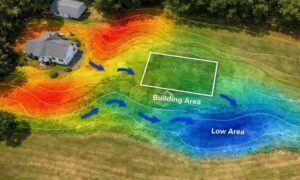
Second, project timelines often depend on survey availability. Builders need boundary lines, elevation data, and layout points before they break ground. If survey work falls behind, construction can fall behind too.
For example, if you plan to build in early summer but wait until late spring to schedule your survey, you might face a backlog. On the other hand, if you book early during the winter planning season, you stay ahead of the rush.
Timing matters more than many people think.
Industry Growth Can Improve Services
While demand may increase, growth can also bring benefits.
When firms combine resources, they often improve teamwork between surveyors and engineers. That teamwork helps projects move smoothly from mapping to design to construction.
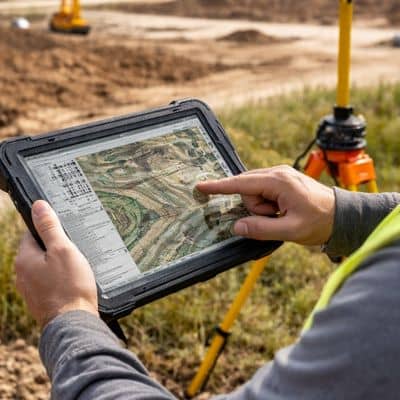
Some expanded firms also invest in advanced mapping tools. These tools can speed up data collection on larger or complex sites, especially in coastal areas where elevation matters.
For property owners, this can mean clearer reports, better communication, and smoother project flow. So growth does not only create pressure — it can also improve service.
The Workforce Factor Behind the Scenes
Another reason firms expand involves staffing.
Across New England, many experienced surveyors are retiring. At the same time, fewer young people enter the field. Because of this, firms compete for trained crews.
Larger companies may attract talent more easily. They often offer training, modern equipment, and career growth. Therefore, consolidation can help firms keep strong teams in place.
Still, land surveying remains hands-on work. Crews must walk the property, check measurements, and confirm site conditions. Technology helps, but it does not replace field experience.
Because of this, availability depends on skilled workers.
Why Planning Early Makes a Difference
In a busy market, planning ahead protects your schedule.
If you plan to sell property, divide land, build an addition, or start a commercial project, consider scheduling your survey early. The sooner you connect with a land surveying team, the easier it becomes to map out your timeline and avoid last-minute stress. Ask about lead times before you lock in construction dates, and build survey time into your overall plan.
Even a few weeks of early planning can prevent bigger delays later.
York’s coastal setting adds another layer of importance. Elevation issues, shoreline areas, and local rules require accurate site data. A local land surveying team that works in Southern Maine every day understands those conditions and can guide you through the process without surprises.
Planning ahead keeps you in control.
Growth Brings Opportunity — And Responsibility
This week’s acquisition shows confidence in Southern Maine’s property market. Companies invest when they see long-term opportunity. Strong demand for land surveying reflects steady buying, selling, and building.
For property owners, that signals stability. However, it also means competition for services during busy seasons.
The good news is simple: awareness gives you an advantage. When you understand how industry trends affect scheduling, you can plan smarter.
The Bottom Line
The recent Maine firm acquisition shows that land surveying in Southern Maine continues to grow and change. Rising demand and industry expansion point to a strong property market in York and nearby towns.
However, a busy market requires preparation. By planning early, checking availability, and building survey time into your schedule, you protect your timeline and reduce stress.
Land surveying may happen behind the scenes, but it supports every successful property decision. As the industry grows, informed property owners stay ready — and that makes all the difference.