Buying property should feel like a win. But for many buyers, problems don’t show up until after the deal is done. This is where an ALTA/NSPS Land Title Survey becomes more than just a formality—it becomes protection.
In recent online discussions, many homeowners shared frustration about issues they discovered too late. They skipped certain due diligence steps to save time or money, only to face unexpected problems after closing. In many cases, those issues could have been identified early with a proper survey.
Why some buyers skip it—and regret it later
An ALTA land title survey is not always required for every transaction. Because of that, some buyers choose to skip it, especially if they are trying to close quickly or reduce upfront costs.
At first, this decision may seem harmless. The property looks fine. The paperwork appears complete. The deal moves forward.
But without a detailed survey, buyers rely heavily on assumptions. They trust that boundaries are clear, access is guaranteed, and no one else has rights to use the property in ways that could interfere.
That trust can break down quickly.
The hidden property issues that show up after closing
Many of the most serious property problems are not visible during a casual walkthrough. They exist in legal descriptions, recorded easements, or physical overlaps that only a detailed survey can reveal.
Some of the most common issues include:
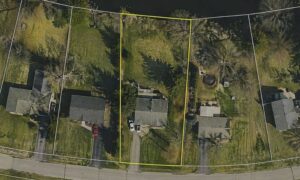
- A neighbor’s fence or structure crossing the property line
- Shared driveways with unclear access rights
- Utility easements that limit how the land can be used
- Encroachments that affect future building plans
- Gaps between recorded boundaries and actual site conditions
These problems don’t just create confusion—they can limit how you use your property or lead to disputes.
How these problems affect ownership and use
Once you own the property, these issues become your responsibility. Fixing them can take time, legal effort, and money.
For example, if a structure crosses your boundary, you may need to negotiate with a neighbor or pursue legal action. If access is unclear, it could affect your ability to sell or develop the property later.
In some cases, lenders or insurers may raise concerns if these problems surface after closing. What seemed like a simple purchase can quickly become complicated.
Why coastal properties in York, ME carry more risk
In York, Maine, property conditions can be even more complex. Coastal areas often include older parcels, irregular boundaries, and long-standing access paths that were never clearly documented.
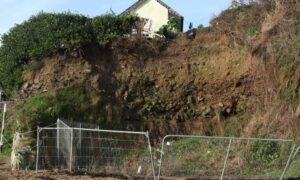
Shoreline changes, erosion, and historic land use patterns can all affect how property lines are understood today. What looks straightforward on paper may not match real-world conditions.
This makes it even more important to confirm boundaries and property details before finalizing a purchase.
How an ALTA land title survey prevents costly surprises
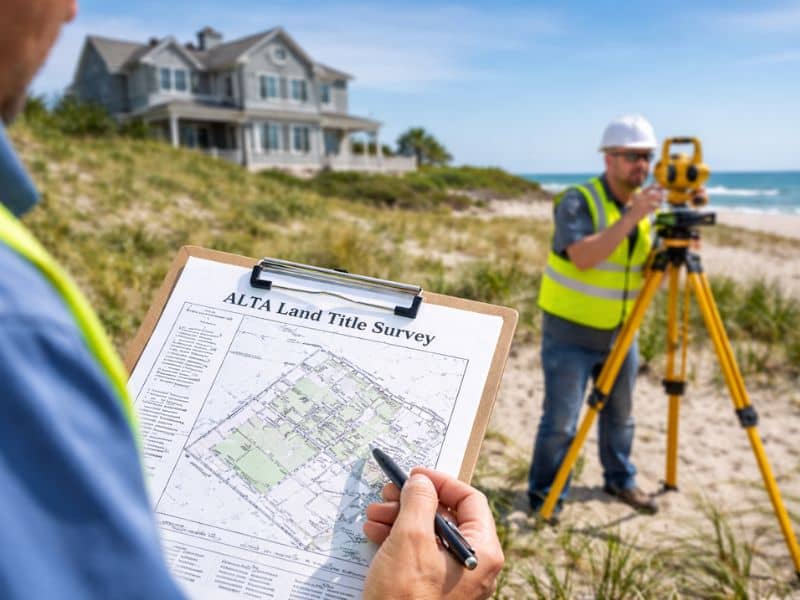
An ALTA land title survey provides a detailed, standardized view of the property. It combines boundary data, title information, and physical site observations into one clear report.
This helps buyers identify potential issues early—before they become expensive problems after closing. From encroachments to access concerns, the survey brings clarity to details that are often missed during a typical property walkthrough.
For many buyers, the smartest step is to work with a land surveyor before closing so there are no surprises once ownership transfers. Having that level of insight early makes it easier to move forward with confidence, knowing the property matches both the records and real-world conditions.
Instead of relying on assumptions, buyers gain verified information they can trust. That clarity not only reduces risk but also supports smoother transactions and fewer disputes down the line.