Planning a building project sounds simple at first. You pick a design, choose a spot, and send plans in for approval. Then delays hit. The town flags drainage issues. The layout sits too close to a setback line. Now you revise everything. This happens more than people expect in York, Maine. A lot of sites look fine at a glance, yet the ground tells a different story. That’s where lidar mapping comes in. It shows details you can’t see during a basic site visit, and it helps you catch problems early.
Why Small Site Mistakes Turn Into Big Delays
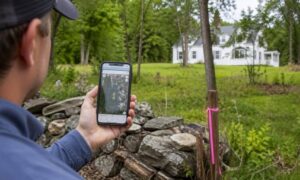
Many property owners rely on what they can see. The land looks flat. The slope seems gentle. The build area feels wide enough.
Then the review process begins.
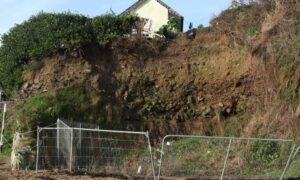
A slight dip in the yard holds water. A slope pushes runoff toward a neighbor. A structure sits closer to a setback than expected. These are small issues on paper, yet they can stop a project fast.
York has a mix of coastal land, uneven grades, and tight building areas. That combination makes guesswork risky. Even a few inches of elevation change can shift how water moves or where you can build.
What Lidar Mapping Shows That You Can’t See
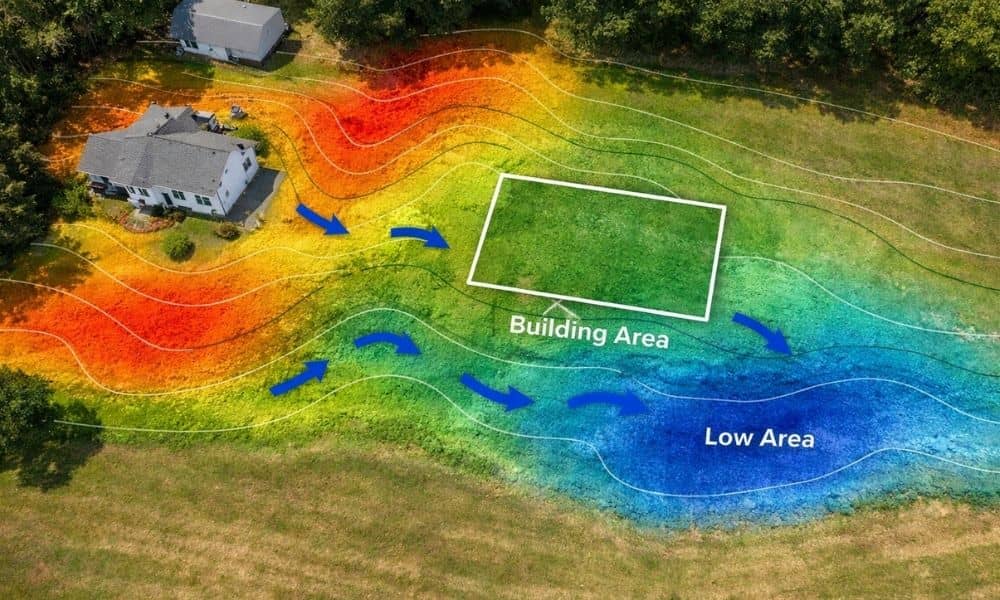
Lidar mapping uses laser measurements to capture the true shape of the ground. It builds a clear model of your property, so you can see what’s really going on instead of relying on rough guesses or basic lidar mapping data.
That matters because your eyes can miss small changes. A yard may look flat, yet slight highs and lows can affect how water moves across the land.
With lidar mapping, you can spot things like:
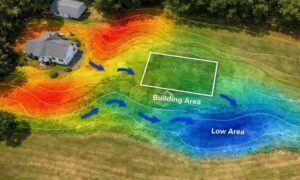
- low areas where water may collect
- natural paths where runoff flows
- uneven ground that can affect grading
Instead of guessing, you get a clear view of how the site actually behaves.
Drainage Problems Start Before Construction
Drainage issues don’t begin after you build. They start during planning.
A design might place a structure in a low spot without anyone noticing. Or the grading plan may push water toward a foundation or driveway. That creates problems during review, and even worse, after construction.
In York, this matters even more. Coastal conditions and changing ground levels can shift how water behaves across a property.
Lidar mapping helps you catch these risks early. You can see where water will likely move, and you can adjust the layout before plans go in.
How Lidar Mapping Helps Fix Drainage Issues Early
Once you have accurate elevation data, it’s easier to make the right calls.
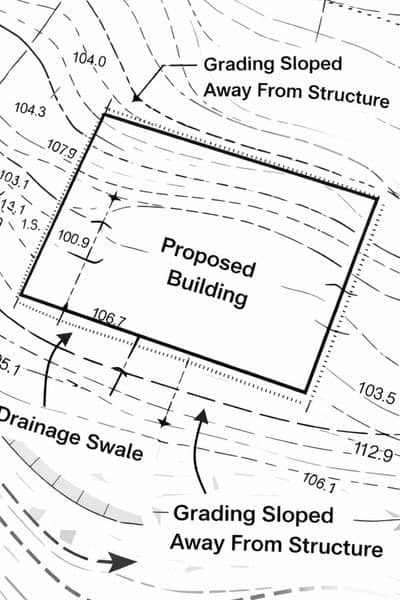
You can move structures away from low spots, adjust grading plans before they get reviewed, and plan drainage paths that move water away from the build area. With lidar mapping for drainage, you can see how water is likely to move across the site before anything gets built.
That saves time. Instead of fixing problems after feedback, you deal with them before plans go in.
Take a simple example. A homeowner plans a garage addition, and the site looks fine at first. Then the lidar results show a slight slope toward the build area. Without changes, water would run straight toward the structure. With that insight, the layout shifts a few feet and the grading gets adjusted. The issue is gone before the permit review even starts.
Setback Problems Are Easier to Miss Than You Think
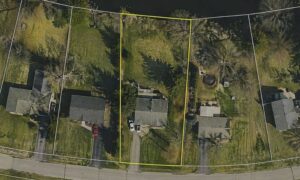
Setbacks define how close you can build to property lines, roads, or protected areas. Most people assume they have enough space.
That assumption causes trouble.
On uneven land, the usable area is often smaller than it looks. Slopes, elevation changes, and natural features reduce where you can place a structure.
A layout that seems safe on paper may not meet setback rules once the land is measured more closely.
How Lidar Mapping Improves Setback Planning
Lidar mapping helps you understand the true shape of your site. That makes it easier to choose the right build location.
You can:
- see where the ground limits your options
- adjust placement before finalizing plans
- avoid pushing structures too close to restricted zones
This is especially helpful on narrow lots or coastal properties in York. Space can feel tight, and small mistakes lead to redesigns.
With better data, you place structures where they actually fit, not where they seem to fit.
Timing Matters More Than Most People Realize
Many people bring in detailed mapping after plans are already done. That creates problems.
Changes at that stage take more time. You may need to redraw layouts, update grading, or resubmit documents.
Using lidar mapping early changes the process.
Before final plans, you can:
- confirm the best build location
- adjust grading without starting over
- avoid multiple review cycles
That keeps the project moving forward instead of slowing it down.
Lidar Mapping Works Best as a Planning Tool
Lidar mapping gives you strong data for decision-making. It does not replace every part of a survey.
You still need a licensed surveyor for boundary work, staking, and legal measurements. Those steps remain important.
What lidar mapping does is help you plan smarter. It reduces guesswork and gives you a clearer view of the land before major decisions happen.
Avoiding Revisions Saves More Than Time
Permit delays cost money. Design changes cost money. Rework during construction costs even more.
Many of those costs come from problems that could have been spotted earlier.
With lidar mapping, you:
- reduce the chance of failed submissions
- avoid redesigns tied to drainage or setbacks
- move through approvals with fewer interruptions
That leads to a smoother project from start to finish.
A Smarter Way to Prepare in York, Maine
York properties often come with hidden challenges. Slopes shift. Water moves in ways that aren’t obvious. Build space feels larger than it really is.
Relying on a visual check is not enough.
Lidar mapping gives you a clearer view of what’s really happening on your land. With that insight, you make better decisions before plans go in. You avoid delays, reduce stress, and keep your project on track.
Working with a local surveyor who understands terrain makes a difference. They know how to use lidar mapping the right way, and they can help you catch issues before they slow you down.