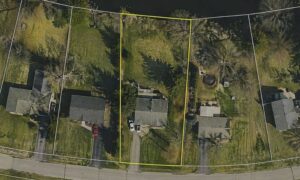

Property lines may look simple. Many people think fences, trees, or stone walls show where land begins and ends. However, land boundaries can be more complex. Recent news about the York–Kittery border issue shows how confusing boundaries can become when records are not clear. While that issue involved two towns, the same problem can happen between neighbors. Many property disputes begin with one simple question: where is the real boundary? A professional boundary survey helps answer that question before small problems grow into bigger ones. In situations like this, many homeowners turn to trusted local land surveyors to clearly identify where their property actually begins and ends.
A Dispute That Lasted Generations
The York–Kittery situation shows how long boundary confusion can last. Town leaders worked to settle a dispute about where the town line should run. Old records, past measurements, and changes in the land made the issue harder to solve.
Over time, even small mistakes in land records can cause big problems. When property records are very old, surveyors must study maps, legal records, and markers in the ground to find the correct boundary.
Even though this case involved towns, the same confusion can happen on private land. Many homeowners think they know where the property line is. However, the legal boundary may be somewhere else. In many cases, the only way to resolve that uncertainty is through a clear boundary survey that compares historic records with measurements taken on the ground.
Why Boundary Confusion Still Happens
Many people think property lines never change. In truth, the information used to describe those lines can become unclear over time.
First, some land descriptions written long ago use simple words that are not very exact. Survey tools have improved, so older measurements may not match today’s standards.
Also, property markers can disappear. Yard work, building projects, or normal wear can move or bury the marker surveyors once placed in the ground. When these markers go missing, property owners lose an important guide.
Sometimes two deeds describe the same line in slightly different ways. Even a small difference can make people question where the true boundary is.
Because of this, confusion can grow slowly. At first no one notices. Later, when someone checks the records, the boundary may seem unclear.
The Problem With Old Property Descriptions
Historic towns like York have many properties that go back many years. Older deeds often describe land using landmarks instead of exact measurements.
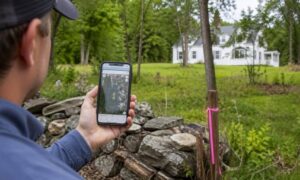
For example, a deed may say the boundary runs “to the large oak tree” or “along the stone wall.” Years ago, those descriptions worked because everyone knew the landmarks.
However, land changes with time. Trees fall, walls move, and natural areas shift. When those landmarks disappear, the description becomes harder to follow.
Two people may read the same deed and picture different boundary locations. That is when disagreements can begin.
A boundary survey solves this problem by using old records together with modern measurements.
How Surveyors Find the True Boundary
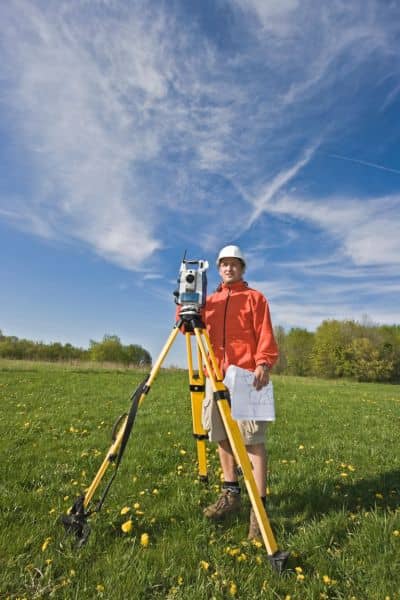
Finding the correct property line takes careful work. Surveyors begin by reading deeds and public records. They also check older surveys and nearby property documents.
Next, surveyors visit the land to look for existing markers. These may include iron rods, concrete markers, or other objects placed during earlier surveys. When surveyors find them, they measure their position using accurate tools.
Modern survey equipment helps measure land with great accuracy. GPS tools and total stations help surveyors record distances and angles clearly.
Still, measurements alone do not always solve the problem. Surveyors must also follow legal rules that guide how boundaries are determined.
After studying all the evidence, surveyors determine the correct boundary location. Then they mark the corners so the boundary becomes clear.
Finally, the surveyor prepares a map that shows the results. This map becomes an important record for the property owner.
When Boundary Questions Become Disputes
Many boundary problems stay hidden until someone looks closely at the records. A new owner may review the deed and notice a difference.
Sometimes markers go missing, which makes it harder to confirm the property line.
Even a few feet of difference can cause concern. Property owners may see the same line in different ways.
Without clear proof, both sides may believe they are right. That is when disagreements begin.
A boundary survey helps solve this problem. Surveyors use records, measurements, and legal rules to determine the boundary clearly.
Why Accurate Boundaries Protect Property Owners
Clear property lines help landowners in several ways.
First, they provide certainty. Owners know where their land begins and ends.
Second, surveys create reliable records. Survey maps help future owners understand the boundaries.
Third, surveyors place markers that show property corners. These markers make it easier to confirm the boundary later.
Finally, clear boundaries prevent long disputes. When the correct line is recorded early, neighbors avoid problems that could last many years.
In many cases, one survey removes confusion before it becomes a conflict.
Lessons From the York–Kittery Boundary Story
The York–Kittery issue shows how hard it can be to solve boundary problems once confusion grows. When records are unclear, fixing the issue can take many years.
Property owners do not have to face the same problem. A professional boundary survey gives clear proof of where the property line sits.
With accurate records and visible markers, landowners gain confidence in their property boundaries.
Final Thoughts
Owning land depends on clear boundaries. Yet old records, missing markers, and changes in the land can make those boundaries harder to understand.
The York–Kittery story reminds us that unclear land records can create problems that last a long time.
Fortunately, the solution already exists. A professional boundary survey combines old records with modern tools to locate property lines accurately.
When boundaries are clear, property owners protect their land, avoid disputes, and maintain better relationships with their neighbors.