How To Find Your Property On FEMA’s Flood Insurance Rate Maps

What are FEMA flood maps?
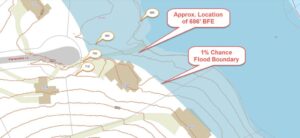
FEMA’s Flood Insurance Rate Maps (FIRMs) or just Flood Maps are provided after a flood risk assessment has been completed or updated for a community.  This study is known as a Flood Insurance Study.  The FIRM gives you the Base Flood Elevations (BFEs) and insurance risk zones in addition to floodplain boundaries.  The FIRM may also show a delineation of the regulatory floodway.

Once the “insurance risk zone”  (commonly referred to as the flood zone) is determined, actuarial rates, based on these risk zones, are then applied for newly constructed, substantially approved, and substantially damaged buildings.  FEMA uses these rates to determine the insurance rate you will pay for flood insurance

FEMA’s Digital Flood Maps

FEMA discontinued the production and distribution of paper flood maps in 2009 as part of its Digital Vision Initiative. This affected all the Flood Maps, boundary information, and study reports. However, clients can still view the products for free through their website or buy them in digital format.

To view these flood maps online, go to FEMA’s Map Service Center and key in your address (hi-lited area shown here) search for your home.  This will prompt you to then select the map that covers your area.  The Flood Maps are somewhat cumbersome to use online. It is best to go through the tutorial on the bottom right of the address search page for an easier and more effective use of the GIS map.

author avatar
Surveyor

More Posts

Survey Mapping: Why Online Property Maps Don’t Match

You pull up a property map online. The lines look clean. The lot looks simple. So you move forward with a plan. Then something feels off. A fence doesn’t line up. A neighbor questions the boundary. A contractor pauses before starting work. This happens more often than people think in

Read More »
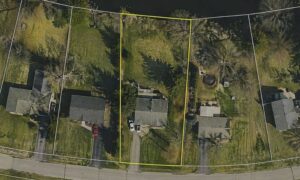
Aerial view of residential property showing lot lines and layout, helping a local surveyor understand boundary details
land surveyor
Surveyor

What to Check Before Hiring a Local Surveyor

Buying or improving a property in York, Maine can feel simple at first. Then something feels off. The lot looks different on paper. The neighbor’s fence sits closer than expected. The driveway seems tight. That’s usually when people start thinking about getting a second opinion. It’s easy to jump ahead

Read More »
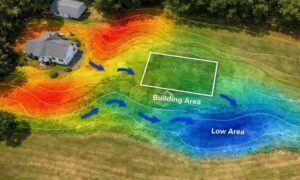
A residential lot with a color-coded terrain map showing elevation changes and how lidar mapping helps identify drainage flow across the property
land surveying
Surveyor

Lidar Mapping Helps You Catch Drainage Issues Early

Planning a building project sounds simple at first. You pick a design, choose a spot, and send plans in for approval. Then delays hit. The town flags drainage issues. The layout sits too close to a setback line. Now you revise everything. This happens more than people expect in York,

Read More »

How an ALTA Land Title Survey Protects Your Property Purchase

Buying property should feel like a win. But for many buyers, problems don’t show up until after the deal is done. This is where an ALTA/NSPS Land Title Survey becomes more than just a formality—it becomes protection. In recent online discussions, many homeowners shared frustration about issues they discovered too

Read More »
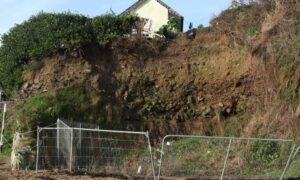
Topographic survey showing coastal property affected by soil erosion near a home
land surveying
Surveyor

How a Topographic Survey Helps Avoid Rebuild Delays

Recent waves along the coast of York left many property owners dealing with more than just cleanup. At first, the damage looked manageable. A few repairs, maybe some grading, and things should go back to normal. However, that is not how it often plays out. Many rebuild projects slow down,

Read More »
Homeowners reviewing an elevation survey near a coastal property to better understand elevation levels before building or buying
flood damage
Surveyor

How to Read an Elevation Survey Before You Buy or Build

Buying or building near the coast in York, Maine feels exciting. However, one document often causes confusion right away—the elevation survey. You might receive it during closing. Or you might need it before you start building. Either way, it can look like a page full of numbers and labels that

Read More »