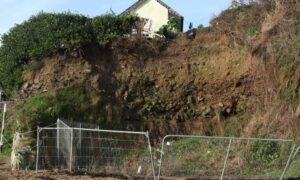
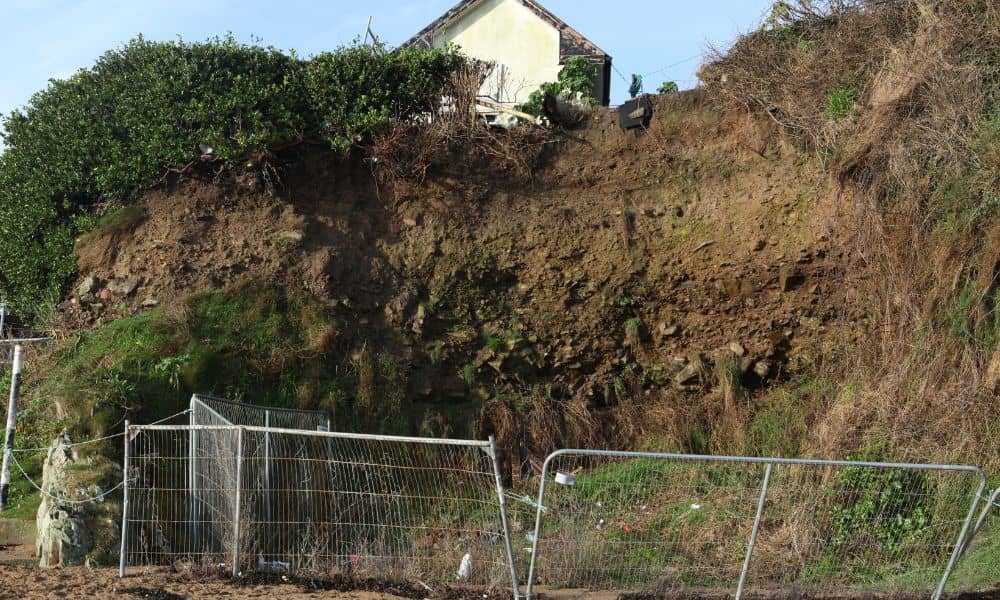
Recent waves along the coast of York left many property owners dealing with more than just cleanup. At first, the damage looked manageable. A few repairs, maybe some grading, and things should go back to normal. However, that is not how it often plays out. Many rebuild projects slow down, not because of the damage itself, but because the land no longer matches the original plans. In situations like this, taking a step back to get a clear picture of your property’s current site conditions through a topographic survey can make all the difference before starting any work.
Why Rebuild Projects Slow Down After Coastal Damage
After a coastal surge, most people want to act fast. That is completely understandable. Still, moving too quickly can create problems that delay the entire project.
Contractors often begin with older plans or past measurements. Those plans worked before the surge. Now, they may no longer reflect the real condition of the site. As work begins, small issues start to appear. The ground may slope in a new direction. Water may collect in areas that were once dry.
Because of this, the project pauses. Crews need to reassess the site. Engineers may need to adjust the design. Each change adds time and cost.
What seemed like a simple rebuild turns into a series of delays.
The Real Issue: Your Site Data Is Outdated
Even if your property looks the same, the surface can shift in ways that are easy to miss. Coastal conditions can move soil, slightly change elevation, and even redirect how water flows across your land.
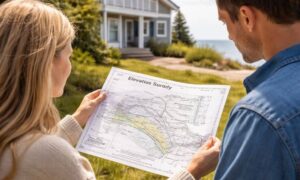
Because of that, the information used in your original plans may no longer be accurate. In many cases, it only becomes clear after looking at an updated topographic survey of your property, which shows how those small changes can affect the entire site.
For example, a slight drop in elevation can change how water drains across your yard. A small shift in slope can impact how a driveway or foundation performs. These are not obvious changes, yet they can influence every part of a rebuild.
So while everything may appear stable, the numbers behind your property often tell a very different story.
How a Topographic Survey Gets Your Project Back on Track
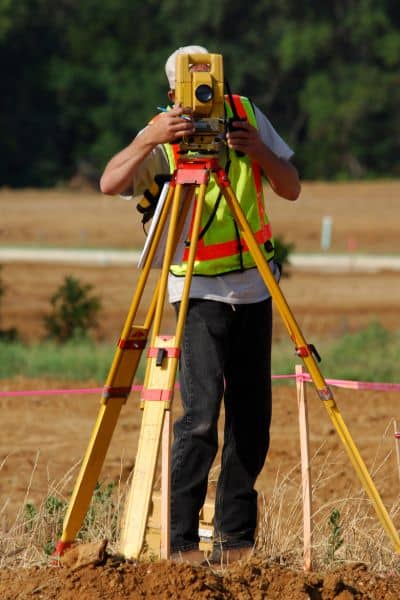
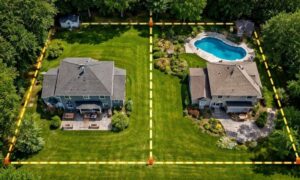
A topographic survey gives you an updated view of your land. It shows how the ground sits today, not how it looked before the surge.
With this information, your team can move forward with confidence. Engineers can adjust plans early. Contractors can prepare for real conditions instead of guessing. As a result, the project stays aligned from the start.
Instead of reacting to problems during construction, you prevent them before work even begins.
That shift makes a big difference in both time and cost.
What Happens When You Skip This Step
When property owners skip this step, delays often follow. Work begins based on assumptions, and those assumptions rarely hold up after a coastal event.
Crews may discover that grading needs to change. Drainage may not work as expected. Access to parts of the site may become more difficult than planned.
At that point, work stops. Plans need updates. Teams must coordinate again. Each pause pushes the project further behind schedule.
In contrast, starting with accurate site data keeps everything moving forward.
A Simple Comparison: Before and After the Right Approach
Imagine two similar homes in York after the same coastal surge.
The first homeowner moves straight into repairs. The contractor begins work, but soon notices the slope near the house has changed. Water starts moving toward the structure instead of away from it. Work stops while new measurements are taken. The project stretches out longer than expected.
The second homeowner takes a different approach. Before any work begins, they order a topographic survey. The survey reveals small but important changes in elevation. The design is adjusted early. The contractor starts with the right information.
The rebuild moves forward without interruption.
The difference is not the damage. It is the preparation.
Why Small Changes Create Big Problems
It is easy to overlook small shifts in land. However, even minor changes can affect how a property functions.
Water flow is especially sensitive. A slight change in grade can direct water toward a structure instead of away from it. Over time, that can lead to damage, erosion, or drainage issues.
In addition, construction relies on precise measurements. When those measurements are off, everything built on top of them can also be off.
That is why updated site information matters more than most people expect.
When a Topographic Survey Makes the Most Sense
After a coastal surge, it is smart to pause and evaluate the site before starting repairs. If your property experienced any kind of water movement, soil shift, or surface change, updated measurements can help guide your next steps.
This is especially true if you plan to rebuild, add structures, or adjust grading. Even small projects can benefit from knowing exactly how the land sits today.
Taking this step early helps avoid confusion later.
Saving Time by Slowing Down First
At first, ordering a survey may feel like it slows things down. In reality, it does the opposite.
When you begin with accurate data, your team avoids guesswork. Plans stay consistent. Construction flows without interruption.
On the other hand, skipping this step often leads to mid-project changes. Those changes take more time than preparing properly from the start.
So while it may seem faster to begin right away, taking a moment to understand your site can save weeks in the long run.
Why Local Experience Matters in York
Working with a local professional in York can also make the process smoother. Coastal areas have unique conditions, and recent events can affect properties in different ways.
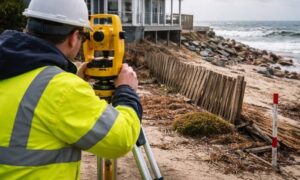
A local surveyor understands these patterns. They know what to look for after a surge and how to capture the details that matter most for rebuilding.
That knowledge helps you move forward with fewer surprises.
Start Your Rebuild With Confidence
The recent coastal surge showed how quickly conditions can change. What looks like a straightforward repair can turn into a complicated project if the site data is no longer accurate.
A topographic survey helps you avoid that problem. It gives your team a clear understanding of your land as it exists today.
Before you rebuild, make sure your plans match reality. That one step can keep your project on track and help you move forward with confidence.