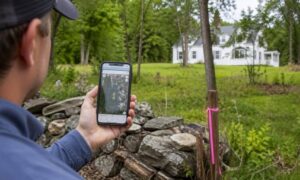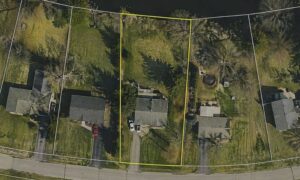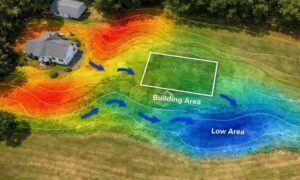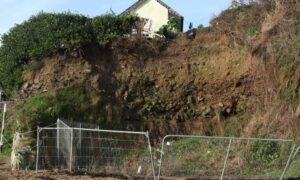
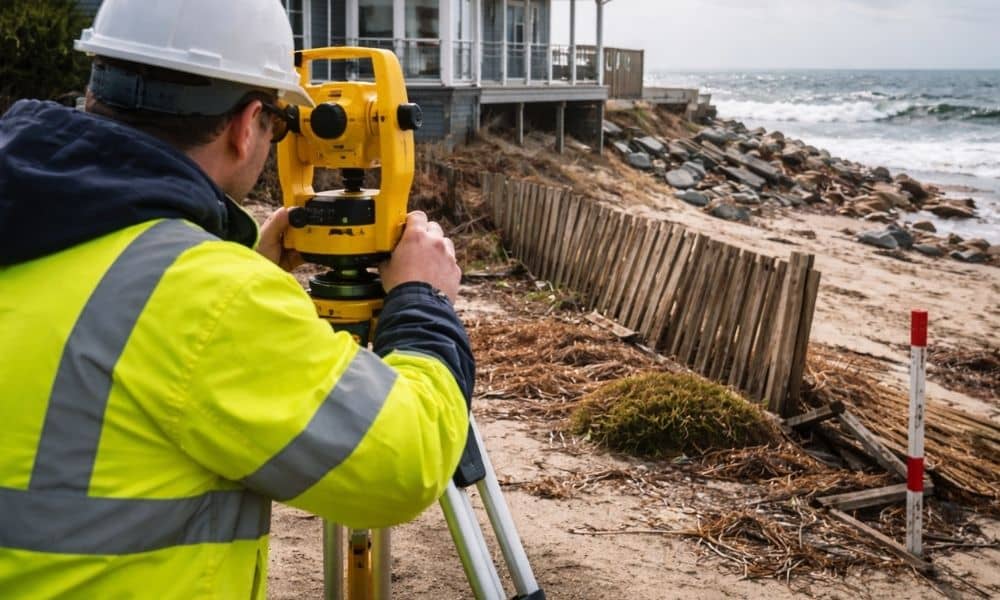
The morning after a nor’easter hits York, everything looks different. Snow piles up against seawalls. Fences lean. Dunes shift. Driveways crack. In some areas near the coast, water pushes sand and debris into yards that looked fine just days before. Naturally, once the storm clears, most homeowners focus on cleanup and repairs. However, there’s one issue many people miss. Storm damage doesn’t just affect buildings. It can create serious confusion about property lines. That’s exactly when a licensed surveyor becomes critical.
The Storm Changed the Landscape — But Not Your Legal Boundary
After a strong coastal storm, your property may not look the way it did before. For example, a fence might sit crooked. A retaining wall might collapse. Even a corner marker could disappear under sand or snow.
At the same time, your neighbor may also start repairing damage. Suddenly, both of you work near the same boundary.
Here’s the key point: a storm can move structures and soil. It cannot move your legal property line.
Your boundary comes from your deed, recorded plans, and legal descriptions. Only a licensed surveyor has the training and authority to locate that boundary on the ground. Therefore, before rebuilding anything close to the edge of your lot, you need clarity.
Why Rebuilding Without a Survey Creates Bigger Problems
After a storm, speed feels urgent. Contractors book up fast. Insurance adjusters show up. Materials run low. As a result, many homeowners rush to rebuild fences, decks, stairs, or seawalls.
However, rebuilding in the wrong location can cost far more later.
A fence rebuilt a foot too far over the line becomes an encroachment. A seawall placed incorrectly may violate setbacks. A shed rebuilt in the “same spot” might now sit inside a utility easement.
Even worse, once concrete cures or posts get set, fixing mistakes becomes expensive.
That’s why calling a licensed surveyor early prevents legal fights, town violations, and neighbor disputes.
Coastal Properties in York Face Unique Risks
York sits along the Maine coast. Because of that, many properties sit on tight lots with older subdivision layouts. Some boundaries follow stone walls or historic markers. Others rely on record plans that date back decades.
When a nor’easter hits, sand shifts along dunes. Shorelines look different. Access paths move. Drainage changes direction. As a result, visual clues people rely on often disappear.
Additionally, coastal rebuilds often require permits. If you plan to elevate a structure, repair a seawall, or expand a foundation, town officials may ask for accurate boundary information. A licensed surveyor provides that certainty.
Situations Where You Should Call a Licensed Surveyor First
Let’s look at real situations York homeowners face after a storm.
If your fence stood near the property line and the storm knocked it down, you might assume you can rebuild it exactly where it was. However, fences don’t always sit on the true boundary. Over time, small shifts happen. Previous owners sometimes guessed. Therefore, before rebuilding, confirm the line.
If you’re repairing or rebuilding a seawall, accuracy matters even more. Seawalls sit very close to lot limits in coastal areas. Even a small mistake can cause neighbor tension or regulatory issues. A licensed surveyor ensures correct placement before heavy equipment starts work.
If you’re elevating or expanding your home, storm recovery might lead to improvements. Maybe you want to raise your foundation or extend a deck. However, expansions bring setback rules into play. Accurate measurements protect you from permit problems.
If your neighbor is also rebuilding, misunderstandings can happen quickly. If one party questions the boundary, tension rises. Getting a licensed surveyor involved early keeps things factual instead of emotional.
Finally, insurance companies may request documentation. In flood-prone areas, elevation data matters. A licensed surveyor provides defensible records that support claims and compliance.
Why Online Maps Are Not Enough
Many homeowners pull up the town’s GIS map and assume the line on the screen shows their legal boundary.
Unfortunately, those maps only offer rough estimates.
They help with planning. They do not define ownership. In fact, GIS lines often drift several feet off their true location. That error margin might not matter for landscaping. However, it matters a lot when rebuilding a structure.
Only a licensed surveyor researches your deed, reviews recorded plans, locates physical evidence, and measures accurately using professional equipment. As a result, you gain legal protection and peace of mind.
What a Licensed Surveyor Actually Does After a Storm
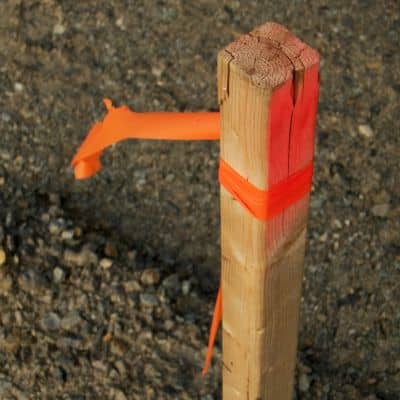
People often wonder what happens during a survey. It’s more than just placing stakes.
First, the surveyor researches your property records. Next, they review subdivision plans and historical documents. Then, they head to the field to locate or re-establish boundary markers.
If corner monuments disappeared during the storm, the surveyor uses record evidence and measurements to restore them properly. After that, they identify encroachments, check setbacks, and provide documentation you can use for permits or construction.
Most importantly, they give you clarity before money gets spent.
The Cost of Waiting Too Long
Many homeowners call a surveyor only after a dispute begins. Unfortunately, by that point, damage may already exist.
Tearing out a misplaced fence costs money. Redesigning a seawall delays contractors. Arguing with a neighbor drains time and energy.
Instead, think of a licensed surveyor as part of your rebuilding team from the start — just like your contractor or engineer. The cost of prevention almost always beats the cost of correction.
Rebuilding the Right Way in York
Storms remind us how powerful nature can be. They also remind us how important preparation and accuracy are.
If your York property suffered damage from a nor’easter, pause before rebuilding near your boundary. Ask yourself whether you know exactly where your legal property line sits. Consider whether you’re rebuilding close to a setback. Think about whether your plans could create a future dispute.
If you feel unsure, bring in a licensed surveyor before construction begins.
Rebuilding after a storm should bring peace of mind, not new problems. With the right guidance, you protect your investment, your neighbors, and your future plans. And in a coastal town like York, that clarity matters more than ever.