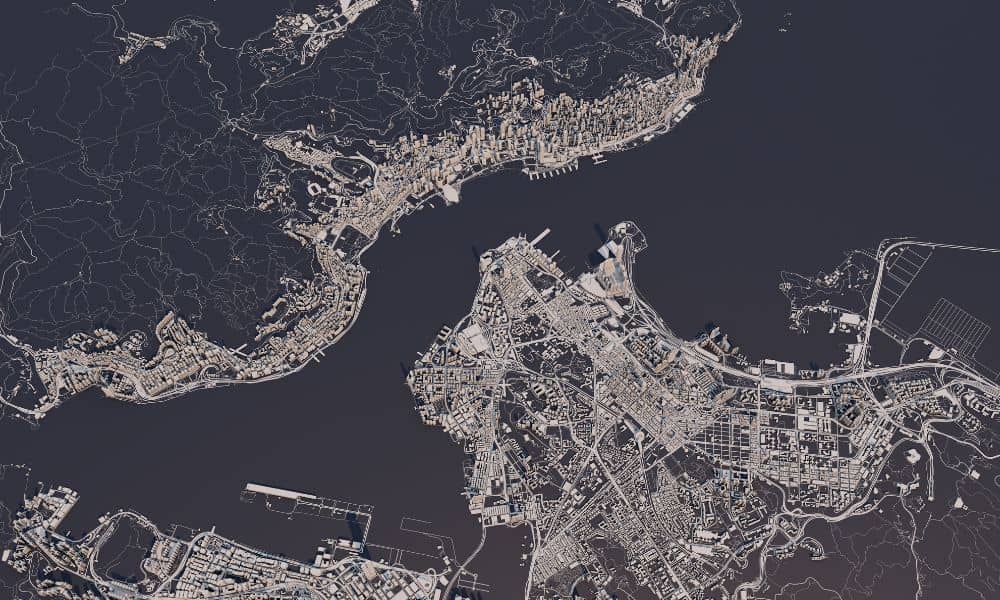
Governments around the world want better land data, and they want it fast. One of the biggest moves came from Tamil Nadu, India, where officials pushed for 30-centimeter satellite imagery to upgrade their land records. This news spread quickly because it shows a major shift in how countries handle mapping and property boundaries. It also signals a clear trend: as better imagery becomes normal, LiDAR mapping becomes even more important for surveyors and property owners.
This change affects places far from India, including small coastal towns like York, Maine. When a large government invests in high-resolution mapping, other regions start to pay attention. People want better accuracy, cleaner data, and fewer surprises when they buy or develop land. Because of that pressure, LiDAR steps into a new spotlight.
A Global Upgrade That Pushes Expectations Higher
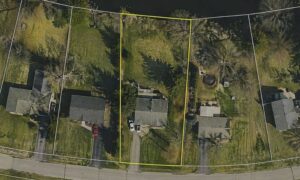
When Tamil Nadu announced its plan for 30-cm imagery, experts in surveying, GIS, and land management reacted right away. They understood that this level of detail helps solve long-standing problems with boundaries, land-type classification, and old records. Leaders in the field also said this move sets a new standard for what “good land data” looks like.
As more governments invest in better mapping, homeowners and builders expect more. For example, someone buying land wants to know exactly where the property line sits. They want clear elevation information, and they want confidence during a due diligence review. Because global standards keep rising, local surveyors must keep up.
This is where LiDAR becomes essential.
Why This Matters in Coastal and Rural Places Like Maine
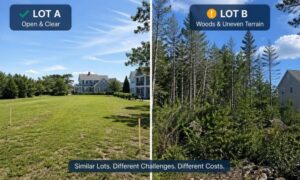
Maine has beautiful coastal zones, old neighborhoods, and deep forests. These features make the state unique, but they also make traditional surveying harder. Thick vegetation blocks sight lines. Sloped land hides terrain changes. Older deeds use vague language that leaves room for confusion. Many properties rely on markers that disappeared years ago.
As a result, people in York and nearby towns face real challenges. Boundaries shift or appear unclear. Neighbors argue over property lines. Construction delays grow due to bad data. Flood risks change after storms or tide cycles. Now imagine a future where the state or county uses satellite imagery similar to Tamil Nadu’s upgrade. Everyone would expect surveys to match that accuracy. And because satellite images still cannot reveal every detail on the ground, LiDAR becomes the tool that completes the picture.
LiDAR Mapping Gives Surveyors the Precision That Satellite Imagery Cannot
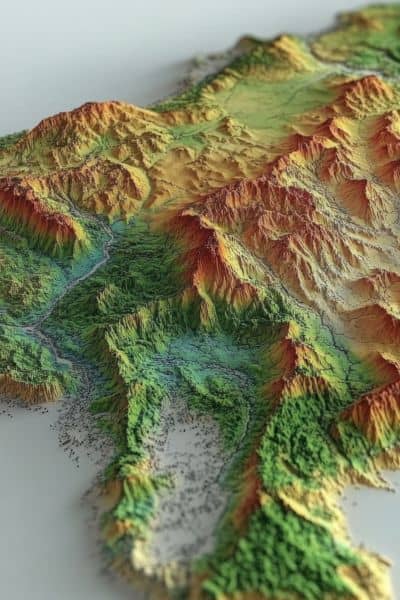
LiDAR works by sending thousands of laser pulses toward the ground and measuring how long each pulse takes to return. The tool reads the height and location of millions of points. Because of this, LiDAR creates a detailed 3D model of the land. It also cuts through tree cover, which solves a major problem for wooded areas in Maine.
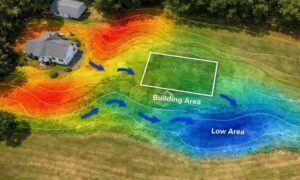
Better imagery from satellites gives us a broad view, but LiDAR fills in the details needed for real projects. It offers clear views under tree canopies, accurate elevation models for flood reviews, reliable ground surfaces for grading plans, and precise mapping for driveways, utilities, and home builds.
When you combine high-resolution imagery with LiDAR, you get a complete understanding of a property. This matters when a buyer wants to avoid a boundary dispute. It matters when a builder needs a clean topographic surface. It matters when a homeowner near the coast wants to reduce flood risk. This is why LiDAR mapping becomes a top demand as governments raise the standard.
The Ripple Effect: What Happens If Maine Adopts Similar Technology?
If Maine chooses to modernize land records the way Tamil Nadu did, several changes follow. Fewer mistakes in land records, faster decisions during property transfers, better planning for coastal and flood-risk areas, and higher expectations for surveying quality all become real outcomes. Once homeowners see detailed imagery in online maps or public records, they expect their surveys to match. Surveyors offering LiDAR lead the industry.
All of these pieces push the demand for advanced surveying services higher.
What This Shift Means for Homeowners and Developers
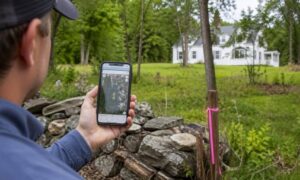
When global standards improve, local decisions change. A homeowner who once felt unsure about ordering a topographic survey now feels confident about it. A developer planning a subdivision wants the most detailed data available. A buyer who worries about a boundary problem wants proof that the surveyor used the best tools.
LiDAR offers that confidence because the data looks clear and accurate. It removes the guesswork that slows projects down. Local towns benefit too, because better data means fewer disputes, fewer delays, and safer construction. People also want transparency. When buyers see satellite views with sharp details online, they expect the same quality during a land purchase. The process feels smoother, and everyone stays on the same page.
When You Should Think About Using LiDAR Mapping
You might not need LiDAR for every project, but many situations benefit from it. If your property has thick trees, steep slopes, or irregular shapes, LiDAR helps. If you want to expand a home, add a driveway, build a new structure, or improve drainage, LiDAR clears up the picture.
The tool also offers peace of mind. Building on the wrong spot or discovering a slope problem later can cost thousands. LiDAR shows the truth early, which saves time and money. Because Maine has so many wooded parcels and coastal areas, LiDAR often becomes the right choice for serious planning.
The Future of Surveying Moves Toward High-Resolution Data
The big lesson from Tamil Nadu’s 30-cm imagery push is simple: people everywhere want better land information. They want clarity, accuracy, and confidence when they buy or build. Maine fits that trend because the state’s terrain makes accurate data even more important.
LiDAR mapping completes the modern picture. It gives surveyors the detail that satellites cannot reach. It gives homeowners a clear view of their land. It supports safer builds, faster decisions, and fewer disputes. As more governments upgrade their mapping systems, LiDAR becomes the natural next step for anyone who cares about smart land use.
If you plan to buy, build, or develop property, consider asking your surveyor if LiDAR mapping fits your project. The clarity often makes all the difference.