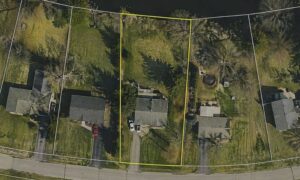
When starting a construction project, most people focus on materials, labor, and permits. But there’s one critical step that often goes unnoticed—construction staking. This process ensures that every structure is built precisely where it should be, following the exact specifications of the plans. Without proper staking, projects can face costly delays, safety issues, and even legal trouble.
What Is Construction Staking?
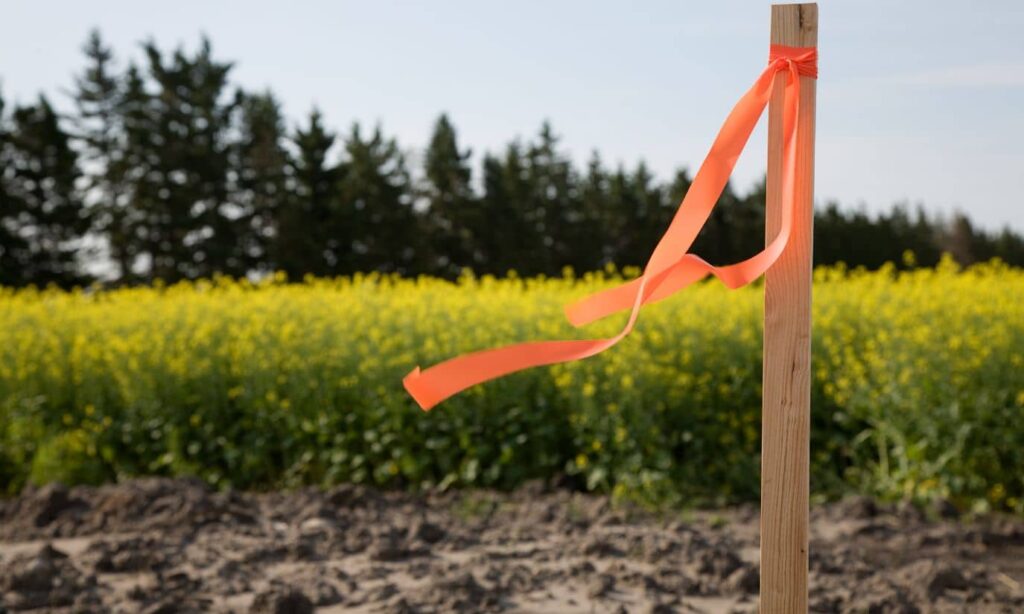
Construction staking is the process of marking key reference points on a construction site before actual work begins. These stakes act as guides, ensuring that everything—from building foundations to utility lines—is placed correctly.
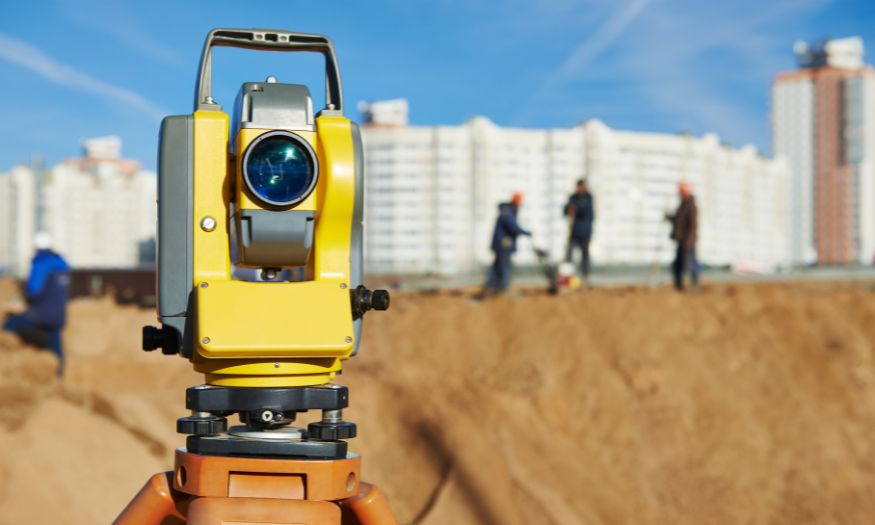
Surveyors use advanced tools like GPS, total stations, and laser levels to determine the exact positions where contractors should build. These markers help prevent misalignment, structural errors, and zoning violations.
The Role of Construction Staking in Project Success
A well-staked construction site can make or break a project. Here’s why:
✅ Ensures Accuracy: Staking aligns the project with blueprints and design plans, ensuring proper placement.
✅ Prevents Costly Errors: Without staking, buildings can end up misaligned, leading to expensive rework.
✅ Improves Workflow: Contractors follow precise markers, reducing confusion and keeping the project on schedule.
✅ Enhances Safety: A poorly staked site increases the risk of foundation shifts, utility line misplacements, and accidents.
Common Problems Caused by Poor Staking
Skipping or improperly performing construction staking can lead to major setbacks. Some of the most common issues include:
❌ Project Delays: Incorrect staking forces contractors to redo work, causing missed deadlines.
❌ Legal and Zoning Violations: Buildings placed outside property lines can result in lawsuits and fines.
❌ Material Waste: Misplaced structures lead to wasted concrete, steel, and other materials.
❌ Structural Risks: Poorly placed foundations can lead to uneven settling or even collapse.
Types of Construction Staking and Their Uses
Different phases of construction require different types of staking. Here are the most common ones:
🔹 Rough Grade Staking – Determines elevation and grading to prepare the land for construction.
🔹 Site Layout Staking – Marks building corners, foundations, and major structures.
🔹 Utility Staking – Guides the placement of water, gas, electric, and sewer lines.
🔹 Curb and Gutter Staking – Ensures roads, sidewalks, and driveways are positioned correctly.
🔹 Final Grade Staking – Prepares the site for landscaping, ensuring proper drainage and finishing.
The Construction Staking Process: Step-by-Step
Here’s how professional surveyors perform construction staking:
1️⃣ Site Analysis: Surveyors review blueprints and zoning regulations.
2️⃣ Marking Reference Points: Using GPS and total stations, they stake out key locations.
3️⃣ Verification and Adjustments: Engineers cross-check the accuracy of the markings.
4️⃣ Contractor Collaboration: Builders use these markers to guide construction.
5️⃣ Final Inspection: A last check ensures everything is aligned correctly.
How Accurate Staking Prevents Costly Mistakes
A minor mistake in staking can snowball into huge problems. For example:
🔹 A foundation off by a few inches can misalign an entire structure.
🔹 Utility lines staked incorrectly can lead to underground conflicts or leaks.
🔹 Roads and sidewalks not aligned properly can cause drainage issues.
Proper staking prevents these costly headaches, ensuring a smooth project from start to finish.
What to Look for in a Construction Staking Service Provider
Not all staking services are equal. Here’s how to pick the right one:
✔️ Licensed and Experienced Surveyors – Look for professionals with proven expertise.
✔️ Advanced Equipment – Ensure they use modern GPS and laser tools.
✔️ Accuracy and Attention to Detail – Small errors can lead to big problems.
✔️ Positive Reviews and References – A solid track record means reliable service.
How Much Does It Cost?
The cost of construction staking varies based on:
💰 Project size – Larger sites require more staking points.
💰 Complexity – More detailed work (e.g., utility staking) costs more.
💰 Location – Urban areas may have higher staking fees.
On average, staking costs range from $500 to $5,000, but the investment is worth it compared to the cost of project delays and rework.
Why You Should Never Skip Construction Staking
Construction staking might seem like a minor step, but skipping it is a huge risk. From ensuring accuracy to avoiding costly mistakes, staking is what keeps projects on track and safe.
Whether you’re building a home, a commercial property, or a major infrastructure project, investing in quality staking is non-negotiable.
FAQs
🔹 How long does construction staking take?
It depends on project size. Smaller projects may take a few hours, while larger sites can take days.
🔹 What’s the difference between land surveying and construction staking?
Land surveying maps property boundaries, while staking marks where structures should be built.
🔹 Can I do construction staking myself?
No. Professional surveyors use precise tools and calculations that DIY methods can’t match.
🔹 How often should staking be checked?
It should be verified before each major phase of construction.
🔹 What tools are used in construction staking?
Surveyors use GPS, total stations, laser levels, and measuring tapes.
🔹 How does staking impact project timelines?
Proper staking keeps projects on schedule by preventing misalignments and delays.