Most people believe property lines never change. They assume the map is the map, and the ground under their feet stays the same. But a recent international story proved the opposite. In fact, it showed why homeowners need to keep their topographic survey up to date—especially if they live near the coast.
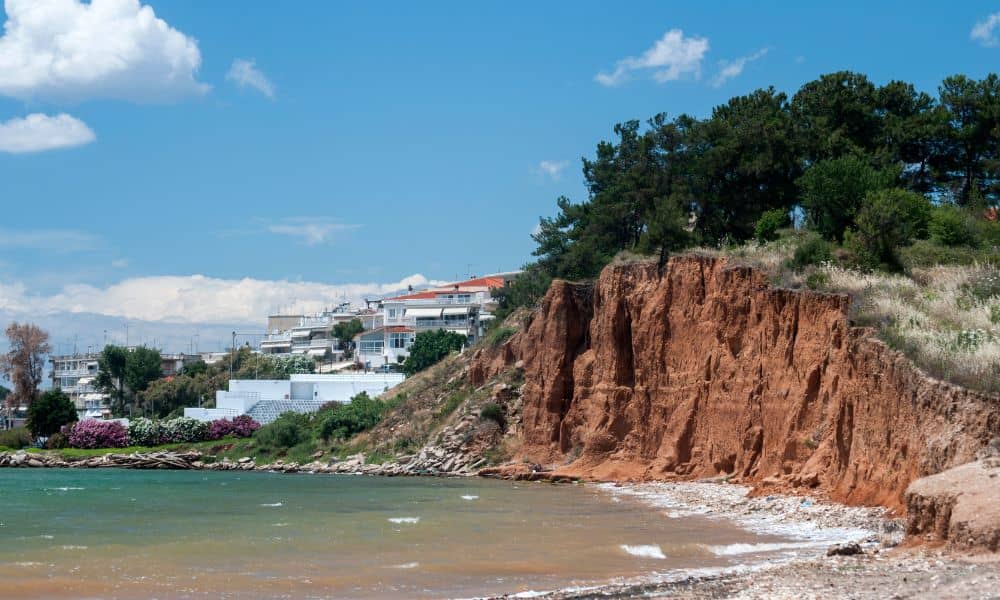
A few days ago, a strange scene played out at the mouth of the Rio Grande. U.S.-contracted workers put up “Department of Defense – Restricted Area” signs on a sandy beach. However, the signs ended up inside Mexico, not the United States. Mexican marines quickly removed them, and the moment went viral. People online argued about border control, land rights, and even politics. Yet the truth was much simpler: the river moved, the shoreline shifted, and the boundary on paper didn’t match the land anymore.
This mix-up caused an international argument. But it also revealed something homeowners rarely think about: nature changes land faster than people expect. When the land changes, our maps—and even our surveys—can fall behind. And that brings us home to York, Maine.
When Nature Redraws the Map
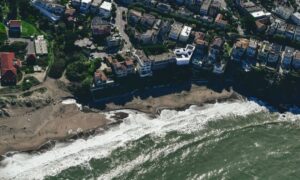
York’s coastline looks peaceful most of the year. Waves wash in and out, and dunes sit quietly along the beach. Yet all it takes is one strong nor’easter to change everything. A single storm can reshape dunes, carve new slopes, or erode several feet of sand. Sometimes these changes appear small. Other times they feel dramatic, like a bite taken out of your backyard.
Because of this, the ground you stand on today might not look the same next season. And while that sounds simple, it affects your property in many ways. Setbacks can shift. Drainage paths can reroute. Parts of your yard may end up lower than before. These changes matter, especially when you plan to build, repair, or sell your home.
This is why a topographic survey isn’t something you do once and forget. It’s something you update when the land changes—just like the border officials now need to do along the Rio Grande.
Why Homeowners Should Pay Attention
Let’s make this real.
Imagine you live on or near the coast. Ten years ago, your builder ordered a topographic survey. It showed a gentle slope toward the beach, a healthy dune, and enough distance for a deck or addition. Back then, everything seemed fine. But storms come and go. The tide pushes higher than it used to. A few harsh winters soften the dune. Slowly, the land lowers and the slope steepens. One day, your contractor takes a look and says, “These plans don’t match what I see out here. Suddenly, you’re dealing with the same problem that sparked an international dispute: The map doesn’t match the ground.
This is more common than most people realize. York’s dunes move every year. Bluffs wear down. Water finds new paths after big storms. Even a minor shift in elevation can cause:
- a permit delay
- a failed inspection
- extra engineering work
- or a major design change
No one wants surprises like that. And thankfully, updating a topographic survey prevents most of them.
Small Shifts Can Become Big Problems
When the Rio Grande shifted, countries argued about ownership. When a coastline moves, homeowners face problems closer to home. Here are a few examples based on real situations in coastal communities:
1. The setback suddenly changes. If the dune line moves closer to your house, your buildable area changes with it. A simple patio or deck might now sit inside a protected zone, even though it didn’t before.
2. Drainage no longer works. Stormwater may flow a different direction after erosion. This can cause pooling, soggy yards, or unexpected flooding near your foundation.
3. A “safe” zone becomes a flood-risk zone. A few inches of lost elevation can place part of your yard—or your home—into a higher risk category. Insurers and lenders care about that.
4. Your old plans become useless. Architects and engineers can’t design around outdated land data. They need the current contours and elevations to avoid mistakes.
None of these issues are about paperwork. They happen because the land changed and the older survey didn’t reflect it.
When Should You Update a Topographic Survey?
You don’t need a new survey every year, but you do need one when nature clearly changes the ground. Catching these changes early saves time, money, and a lot of stress.
Here are the moments that matter most:
After a major storm. If you notice new erosion, dune loss, steep drop-offs, or deep washouts, the land has likely shifted.
Before starting a rebuild or major repair. Whether you’re elevating your home, adding a room, or fixing storm damage, updated elevations help your designer build safely and correctly.
When drainage changes. If water starts flowing in new directions or creates puddles where it never did before, the grades have changed.
When FEMA releases new flood maps. Even a few inches of lost elevation can place part of your property in a higher risk zone.
When a contractor or town reviewer says: “This doesn’t match.”. This happens often when plans rely on surveys that are 5–10 years old, especially along the coast.
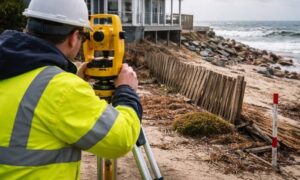
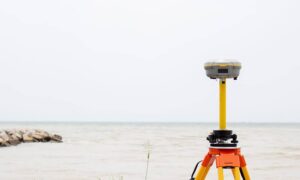
In all of these cases, many homeowners turn to coastal property mapping services to get a fresh look at how the land has shifted and what that means for their plans.
How to Talk to a Surveyor About Updating Your Survey
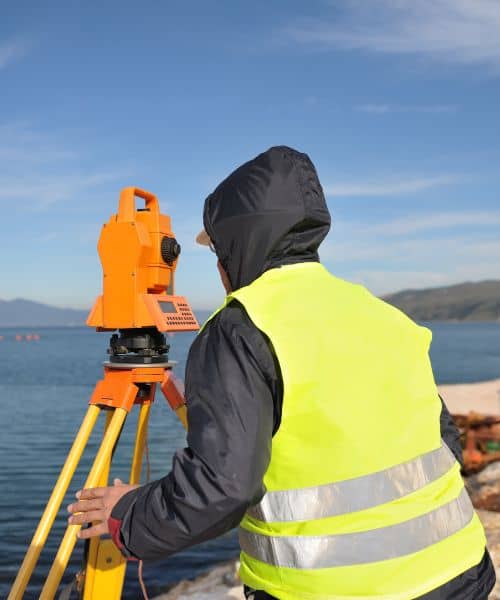
Many homeowners feel unsure about reaching out. They worry about sounding technical or asking the wrong thing. You don’t need special terms. Surveyors know exactly what to check once you describe what changed.
Here’s a simple way to start:
“I have an older topographic survey, but storms and erosion may have changed the land. Can you update the areas affected so my plans reflect the site as it looks today?”
That’s it. Surveyors will know what to look for—new slopes, changed contours, dune positions, low spots, and drainage patterns.
You can also ask:
- “Can you show the old and new contours so I can see what changed?”
- “Which parts of my lot need the most attention?”
- “Will the updated map help with permitting or design?”
These questions help you understand the changes without getting overwhelmed by technical details.
A Quick Self-Check After Any Big Storm
When the next major storm hits York, walk your property and look for a few things:
- Does the dune or bluff seem closer to your house?
- Are there new low spots or washouts?
- Did the yard slope change?
- Did water reach farther inland than before?
- Are you planning a project that needs accurate elevations?
If you answer yes to any of these, your old survey may no longer tell the full story.
Nature Always Comes First
The Mexico–US beach story captured global attention because it felt dramatic. But the real lesson was simple: nature never stops changing the land. Lines on paper may stay still, but sand, water, and wind do not.
York faces the same truth on a smaller scale.
When the ground shifts, even slightly, your property rules, setbacks, and construction plans shift with it. Keeping your topographic survey updated is the best way to stay ahead of those changes—and avoid costly surprises.
If your land looks different after storms or you’re planning a new project, now is a good time to take a fresh look at your property. After all, you can’t control the ocean, but you can stay informed about how it’s reshaping the place you call home.