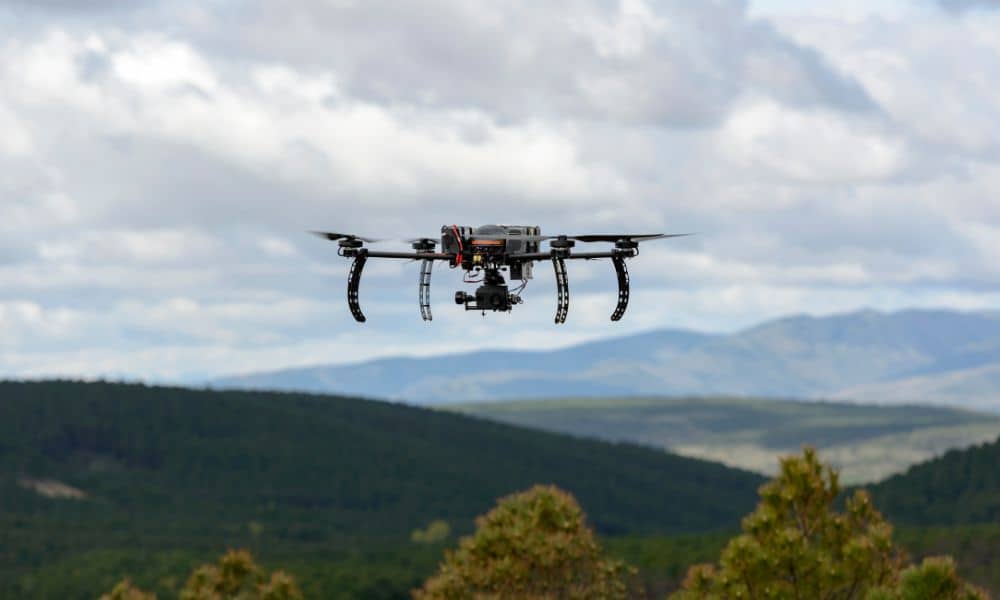
Most people think drones can map any piece of land if the pilot knows what they’re doing. But that isn’t true in many wooded or remote places. Thick trees, steep slopes, and narrow valleys often block satellite signals, which makes GPS weak or unreliable. When GPS fails, drone mapping falls apart fast. This is why the arrival of next-generation UAV survey systems that work even without steady GPS signals is such a big deal. And for Maine—especially towns like York with deep forests and rough land—this change can improve the way surveys get done.
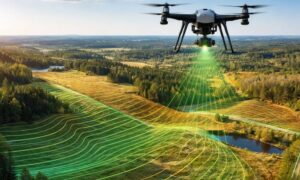
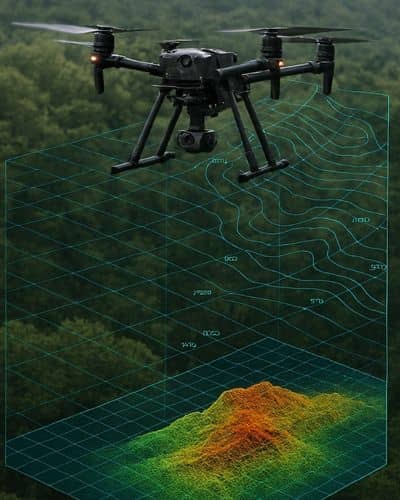
Recently, the drone industry shared updates about new “GPS-denied” sensors that help drones stay accurate even when GPS drops. These new systems use LiDAR, visual tracking, and motion sensors to understand where the drone is in real time. Instead of depending only on satellites, the drone reads the ground, trees, and structures around it. Even though the idea sounds high-tech, the tools already work well and keep getting better.
Why GPS-Denied UAV Survey Tech Matters
Maine has many forested parcels that sit under tall pine and hardwood trees. Surveyors often walk through land that feels impossible to map cleanly. Dead GPS zones slow them down. Corners become hard to find. Clients wait longer for maps they need for permits, building plans, or property sales. With GPS-denied UAV systems, surveyors finally have tools built for these problems.
Dense forests always caused trouble for GPS-based drones. The sky view shrinks, and the drone struggles to know its exact position. New UAV tech reads shapes and land features to stay on track. It scans the area and updates its location each second. Because of this, the drone flies steady and collects clear, detailed data. Surveyors finish work with fewer visits and stronger results.
Another big benefit is better safety. Many parcels sit on steep ledges, soft ground, wetlands, or rocky hills. Walking through these areas takes time and can put crews at risk. With modern UAV survey tools, drones can fly through tight or uneven spaces without putting anyone in danger. Crews stay on safe ground while the drone gathers everything needed.
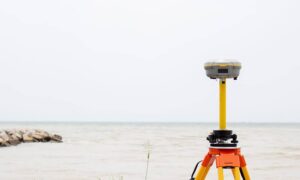
Because these systems are more accurate, property owners get maps they can trust. Clear lines help with future planning. Engineers can design driveways, septic systems, and grading plans without guessing. Developers can study slopes, drainage, and building spots sooner. Even coastal residents benefit, since shorelines and docks often confuse GPS signals.
Real Situations in Maine Where This Technology Helps Most
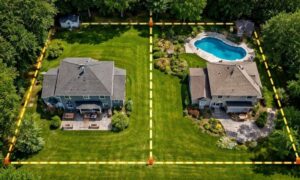
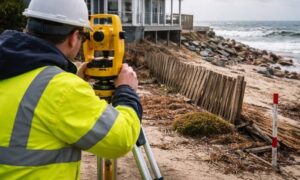
York and nearby towns have many places where GPS-denied drone systems make a big difference. Boundary surveys speed up because drones find corners even in heavy woods. Topographic surveys improve because drones collect smoother elevation data on steep or shaded land. Rural subdivisions become easier to map because drones cover wide areas in one flight. Coastal work, like FEMA flood studies, becomes clearer because drones handle tricky shorelines. Older structures like bridges, culverts, docks, and marinas also become easier to inspect and map.
These upgrades help clients understand their land and avoid delays. People who buy wooded parcels often worry about unclear boundaries or old markers hidden in brush. Builders want solid maps before clearing land or planning a driveway, and many now use drone services for property planning because it gives them a clearer picture of the site before any work starts. Engineers need clean elevation data to design drainage and stormwater systems. Since GPS-denied UAV tools handle rough land well, the whole process becomes smoother.
Why Surveying Firms Need to Keep Up
This tech also changes how survey firms work. In the past, surveyors needed to reschedule jobs when GPS was weak. Cloud cover, leaf thickness, and even the time of day affected accuracy. Now, UAV survey crews can work without waiting for perfect GPS. This saves time for everyone.
Some landowners wonder whether this tech raises survey costs. Often, the opposite happens. When drones collect more data in fewer trips, projects move faster. Surveyors spend less time walking through rough land. These time savings help balance the cost of advanced equipment. As more firms upgrade, pricing may even become more steady.
Small survey firms may feel pressure to keep up. Firms that adopt GPS-denied UAV systems can handle tougher sites and deliver clearer data. Clients begin to expect higher-quality maps and faster results. Firms that avoid upgrading may fall behind as builders and engineers learn the value of new UAV tools.
Questions Landowners Should Ask Before Choosing a Surveyor
To stay informed, landowners should ask simple questions. Can the surveyor collect good data in wooded areas? Do they use UAV tools that work without strong GPS? How do they ensure accuracy when trees or terrain block satellite signals? What kind of map or elevation model will they provide?
These questions help landowners understand whether they are hiring someone who uses older equipment or modern tools that deliver better results. Even people with a small wooded lot gain value from clearer maps and fewer delays.
Looking Ahead at the Future of Surveying
As accuracy grows, Maine’s Board of Licensure for Professional Land Surveyors may update guidelines for digital data, LiDAR use, and drone safety. Surveying always grows with new tools, and this step pushes the industry toward stronger results.
York and nearby areas sit in the middle of this change. The region has both wooded and coastal land, which makes it perfect for GPS-denied UAV survey systems. Homebuyers, builders, developers, and engineers all gain from faster work and clearer maps.
In the end, this new UAV technology is a major win for Maine. Surveyors get tools that help them handle tough terrain. Clients get better maps and smoother planning. Projects move forward without delays caused by weak GPS signals. While GPS still matters, the future belongs to drones that can think for themselves—especially in the deep, forested parcels.