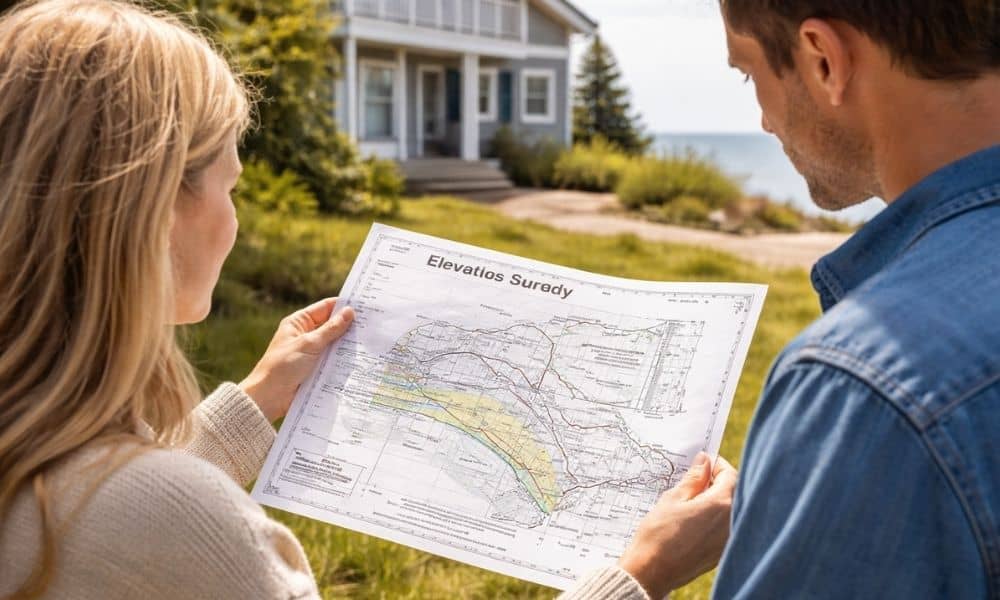
Buying or building near the coast in York, Maine feels exciting. However, one document often causes confusion right away—the elevation survey.
You might receive it during closing. Or you might need it before you start building. Either way, it can look like a page full of numbers and labels that don’t make much sense at first.
So what do those numbers really mean? More importantly, how can they help you avoid costly mistakes?
If you’re looking at one right now and it’s not making much sense, this simple guide will help you get a clearer picture of what you’re actually seeing
Start With the Numbers That Matter Most
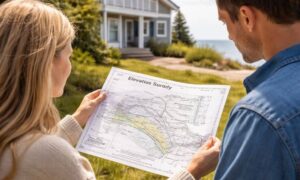
When you first look at an elevation survey, it can feel like a lot all at once. There are numbers, labels, and lines everywhere, and it’s not always clear what you’re supposed to focus on. That’s why it helps to slow down and not try to figure out everything right away.
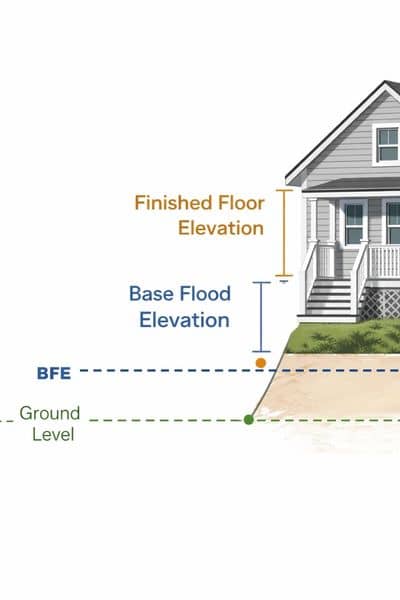
As you go through it, you’ll start to notice the key details on an elevation survey that really matter. One of the first things to look for is the finished floor elevation. This simply tells you how high the home sits, which gives you a better idea of how protected it might be.
Then, take a look at the lowest ground around the home. Water naturally moves to the lowest point, so this can give you a quick sense of where problems could show up if there’s heavy rain or flooding.
After that, find the Base Flood Elevation, or BFE. This shows how high water could rise during a major storm. At first, these numbers might not mean much on their own. However, once you start looking at them together, things begin to click.
You don’t need to understand every part of the elevation survey right away. Once you focus on these main numbers, the rest starts to feel a lot more manageable.
Compare the Elevation Levels Before You Assume Anything
After you find the key numbers, the next step is simple—compare them.
Look at how the finished floor elevation lines up with the BFE. If the home sits higher, that usually means less risk. On the other hand, if the numbers are close, you may need to take a closer look.
Even a small difference matters. In fact, just one or two feet can change how a project moves forward.
Because of this, don’t just glance at the numbers. Take a moment to really compare them. That small step can save you from making the wrong call.
Where Most People Get Confused
Even with the right numbers in front of them, many people still misread an elevation survey.
For example, some assume the ground elevation tells the whole story. However, the structure itself may sit much higher than the surrounding land.
Others overlook the lowest point near the home. That’s important because water collects there first.
There’s also the reference system used for the survey. In York, many surveys follow a standard system. If the numbers don’t match that system, they can lead to confusion.
Because of this, it’s easy to misunderstand what the survey is really showing. That’s why careful reading matters more than a quick scan.
What This Means for Building in York, Maine
York’s coastal setting makes elevation even more important.
Because the area sits close to the ocean, small changes in height can affect what you can build and how you build it. In some cases, those changes can also affect whether your plans get approved.
So when you review an elevation survey in York, you’re not just looking at numbers. You’re looking at how the land behaves.
For example, if the elevation is too low, you may need to raise the structure. In other cases, you may need to adjust your design before moving forward.
That’s why this document plays such a big role in planning. It helps you see what’s possible before you invest time and money.
Signs That Should Make You Pause
While reading your elevation survey, certain details should make you stop and take a closer look.
If the finished floor sits very close to the BFE, that’s something to think about. Even if it looks acceptable at first, it could lead to problems later.
If the lowest ground sits much lower than expected, that may point to drainage issues.
Sometimes, the survey itself may have unclear labels or missing details. When that happens, it becomes harder to trust what you’re seeing.
Instead of pushing forward, it’s better to slow down and review those areas carefully. A few extra minutes now can prevent bigger issues later.
Why an Older Elevation Survey Might Not Tell the Full Story
At first, it may seem fine to use an older elevation survey. However, coastal properties can change over time.
Land can be regraded. Sand can shift. Drainage patterns can move. Even local requirements can change.
Because of that, an older survey may not reflect what’s really there today.
So if the document is several years old, it’s worth asking if it still applies. In many cases, getting updated information can make a big difference in your decision.
How to Use an Elevation Survey Before You Move Forward
Once you understand how to read an elevation survey, you can start using it in a practical way.
Before buying, it helps you confirm whether the property fits your plans. Before building, it helps you see if your design makes sense for the land.
Instead of guessing, you rely on clear data. That makes your decisions stronger and more confident.
Over time, that approach can save both time and money. It also helps you avoid surprises that often come up later.
When It Makes Sense to Ask for Help
Even with a clear explanation, some elevation surveys can still feel confusing.
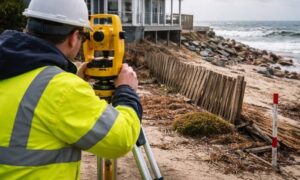
If the numbers seem close or unclear, it’s a good idea to speak with a licensed land surveyor. They can explain what the survey shows and how it affects your property.
More importantly, they can help you understand what steps to take next.
That kind of guidance can make a big difference, especially before you commit to a purchase or a project.
Turning an Elevation Survey Into a Smart Decision
An elevation survey may look simple at first, but it holds a lot of important information.
When you know how to read it, you can see risks early. You can plan better. And you can move forward with more confidence.
In a coastal town like York, Maine, that matters even more. Small changes in elevation can lead to big differences in outcomes.
So before you buy or build, take the time to understand what your elevation survey is telling you.
Because once you do, you’re no longer guessing—you’re making informed decisions that protect your investment.