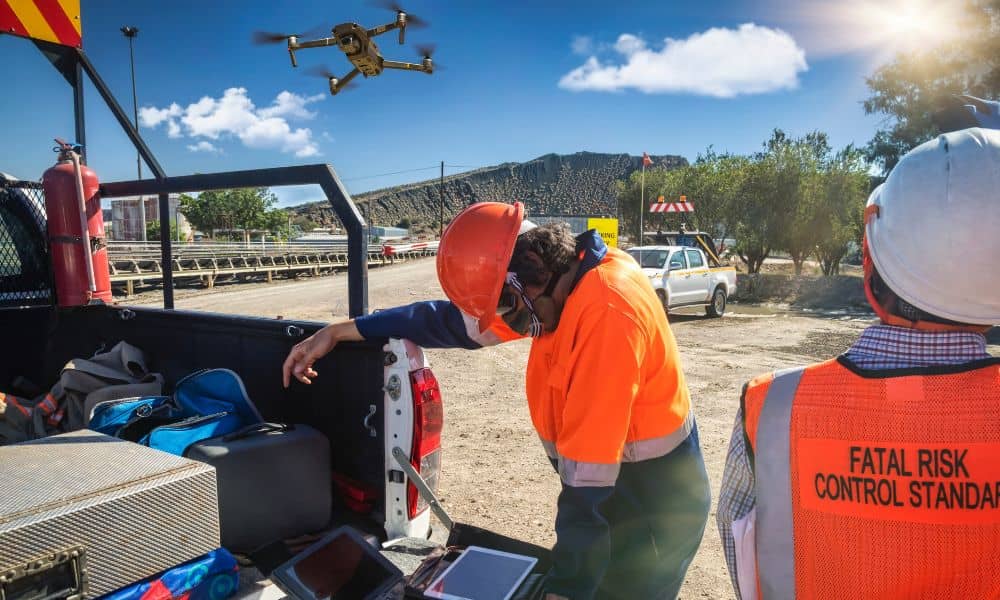
Drone land surveying has changed how surveyors collect land data. In recent years, drones helped teams work faster and safer. They also helped gather better details. However, new rules, supply problems, and stricter standards now force survey firms to change how they plan, fly, process, and share survey data.
Because of these changes, workflows that once felt simple now take more steps. They also need more checks and planning. Most clients do not see these changes. Still, they feel the effects. Projects may take longer. Schedules may change. Costs may increase. When people understand why these changes happen, they can plan better and avoid delays.
What Is Causing These Changes in Drone Land Surveying?
Several things now affect how drone land surveying works across the US. Federal agencies keep adding new rules. These rules control which drones, cameras, and software surveyors can use. At the same time, many popular drone systems face supply problems. Shipping delays also cause long waits.
Because of this, survey firms cannot easily replace or upgrade their equipment. Instead, they must change how they work. This helps them follow the rules and keep projects moving.
Data safety rules also continue to grow. Surveyors must now follow strict steps when they collect and store data. They must also check it carefully. As a result, each project needs more planning and review before final results reach the client. Together, these changes turn drone land surveying into a careful and organized process that focuses on safety and accuracy.
Why Survey Firms Must Change Their Workflows
Getting the right equipment has become harder. Survey drones need special cameras, sensors, and navigation tools. Due to new rules and supply problems, many of these parts are hard to find. Even when they become available, shipping delays can last for months.
Because of this, survey firms must manage their drones more carefully. They can no longer fly whenever the weather allows. Instead, they plan flights based on equipment access, project needs, and staff schedules. This extra planning affects project timelines.
Flight planning also takes more care than before. Survey teams once mapped large areas using only one or two flights. Now, stricter rules require extra checks and better photo overlap. Accuracy control also matters more. Because of this, many projects need several flights instead of just one.
Although this improves data quality, it also adds time. Surveyors must carefully plan flight paths. They must also check airspace rules and schedule site visits. Because of this, field crews and office teams must work closely together to stay on schedule.
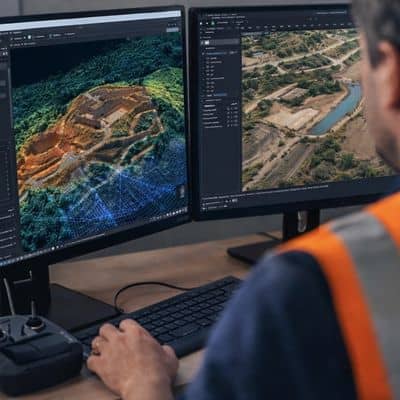
After flights end, the work continues in the office. Drone data now goes through several steps. Surveyors check photos. They confirm height data. They verify map points. They also review accuracy. Because of this, processing takes longer than before.
However, this extra time helps make sure final maps meet higher standards. In return, clients receive better data. This supports planning, design, and permit approval. It also helps reduce mistakes.
How These Changes Affect Property Owners and Builders
These workflow changes affect property owners and builders in clear ways. Scheduling now needs earlier planning. Survey time slots fill faster, especially during busy building seasons. Clients who wait too long may face delays. These delays can push back construction starts or permit approvals.
Starting early helps prevent these problems. It also keeps projects moving forward.
Turnaround time now depends more on workflow than on weather alone. While weather still affects drone flights, office processing now plays a bigger role. Projects move through more steps. Because of this, speed depends less on flight time and more on how fast data gets processed.
Clients may notice longer timelines. Still, those extra days often lead to better data. They also reduce changes later. As a result, projects move more smoothly.
Pricing has also changed. Drone land surveying now includes more office work. This includes data checks, reports, and paperwork. While drones reduce time in the field, office time has increased. Because of this, prices may rise.
Although costs may go up a little, clients gain better accuracy and reliability. In many cases, this prevents costly design changes, building mistakes, and permit delays.
Why Some Areas Feel These Changes More Than Others
Some areas feel these workflow changes more strongly. Places with heavy building activity often need higher accuracy. Areas with strict zoning rules also need more paperwork. Complex permit systems add even more steps.
In these places, surveyors must meet higher standards. This adds more work to the workflow. As development grows across the country, more areas now follow these tighter rules.
Over time, these careful workflows will become normal everywhere. Because of this, property owners will continue to see changes in scheduling, pricing, and planning.
The Move Toward Compliance-First Drone Land Surveying
This change shows a larger move toward compliance-first drone land surveying. In the past, speed pushed drone use. Today, safety, accuracy, and rule-following come first.
Survey firms now design workflows that meet government rules. These workflows also support design and permit needs. This change reshapes how projects move from start to finish.
Teams now plan flights more carefully. They review data more closely. They also record each step of the process. Because of this, drone land surveying becomes a structured system. It is no longer just a fast mapping tool.
Although this adds complexity, it improves reliability. Clients receive steady results. These results work better with design software, approval systems, and construction planning.
How Clients Can Reduce Delays and Stress
Clients can reduce delays by starting the survey process early. Early contact helps survey firms schedule flights. It also allows them to plan processing time and prepare paperwork before deadlines arrive.
Clear project goals also help. When surveyors understand how the data will be used, they can design better workflows. This avoids confusion and reduces later changes.
Asking questions also helps. When clients understand how data moves from flight to final delivery, they can set better expectations. Clear planning builds trust. It also supports smoother projects.
Why Workflow Skill Matters More Than Equipment
Today, workflow skill matters more than drone ownership. Many firms own drones. However, fewer manage advanced workflows. Equipment alone no longer decides quality.
Instead, workflow design and processing systems shape final results. Survey teams with strong workflow experience deliver accurate data. They also meet timelines and provide dependable reports.
This skill becomes very important for projects that involve permits, design, and construction planning.
Final Thoughts
Drone land surveying now stands at a major turning point. Federal rules, supply problems, and data standards continue to change how survey work happens across the US. These changes push the industry toward careful workflows that focus on accuracy, safety, and reliability.
Although these new processes add complexity, they help property owners, builders, and developers. Better workflows create stronger data. They also lead to smoother approvals and fewer costly mistakes.
As these standards become normal, clients who understand the process gain an advantage. By planning early and working with skilled survey teams, projects stay on schedule and avoid stress.
In today’s environment, drone land surveying delivers dependable results built on careful planning, strong workflows, and proven skill.